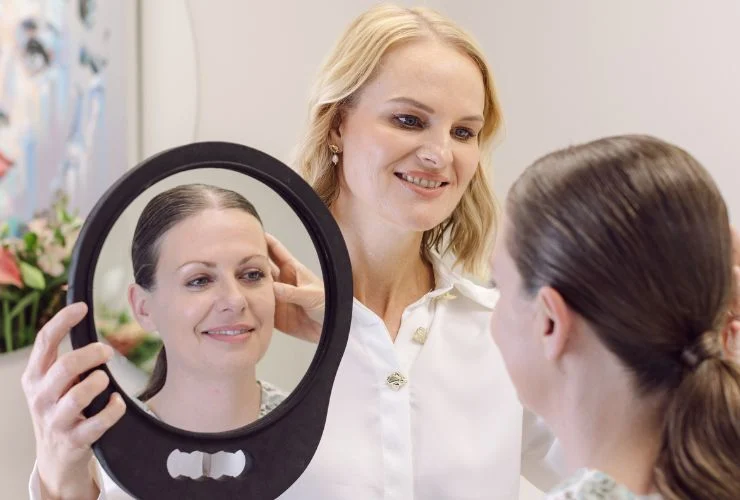
There was a time—not that long ago—when skincare felt like a race. Stronger acids, quicker results, that instant glow everyone seemed to chase. And honestly, it worked… until it didn’t. Suddenly, people started noticing redness that wouldn’t go away, that tight, uncomfortable feeling after washing your face, or breakouts that made no sense.
Somewhere along the way, our skin started pushing back.
The Problem We Didn’t Notice at First
Over-exfoliation isn’t dramatic at the beginning. It sneaks in. Maybe you start using a chemical exfoliant twice a week, then every other day, then—well, daily. Add a scrub here, a peel there, and suddenly your skin barrier is compromised.
What’s the skin barrier, anyway? Think of it as your body’s first line of defense—a thin, invisible layer that keeps moisture in and irritants out. When it’s healthy, your skin feels balanced. When it’s damaged, everything feels… off.
Dry patches. Unexpected oiliness. Sensitivity to products you’ve used for years. Sound familiar?
Skin Barrier Repair Trend: Kya over-exfoliation ka solution mil gaya?
This question has quietly become the center of modern skincare conversations. And the answer isn’t as flashy as you might expect.
Barrier repair isn’t about adding more—it’s about doing less, but better.
Instead of layering active ingredients, the focus has shifted toward calming, hydrating, and rebuilding. Ingredients like ceramides, niacinamide, and panthenol are now getting more attention than strong acids. They don’t promise overnight miracles, but they work gently, steadily.
And that’s kind of the point.
What Repair Actually Looks Like
If you’re expecting instant transformation, barrier repair might feel… underwhelming at first. There’s no dramatic peeling or overnight glow.
It’s subtle.
Your skin starts feeling less irritated. That burning sensation? Gone. Makeup sits better. You wake up and your face just feels… normal again.
A typical repair routine is surprisingly simple:
- A gentle cleanser (nothing stripping)
- A hydrating serum or essence
- A moisturizer rich in barrier-supporting ingredients
- Sunscreen, always
That’s it. No complicated 10-step routine. No aggressive actives for a while.
Why We Overdid It in the First Place
Let’s be real—skincare trends played a role. Social media made exfoliation look like a shortcut to perfect skin. Influencers talked about acids like they were magic potions.
And maybe we wanted quick results. Who doesn’t?
But skin doesn’t work like that. It’s not a machine you can “optimize” overnight. It’s more like a relationship—you push too hard, and it reacts.
The Shift Toward Listening to Your Skin
This is probably the biggest change. People are paying attention now.
Instead of blindly following routines, there’s more awareness around how skin actually feels. Is it irritated? Tight? Sensitive? That feedback matters more than any trend.
Barrier repair fits into this mindset. It’s not a product—it’s an approach.
Is Over-Exfoliation Reversible?
Good news: yes, in most cases.
Skin is resilient. Give it the right environment—hydration, protection, time—and it starts healing itself. But patience is key here. You can’t rush recovery with more actives. That’s the trap.
Sometimes, the best thing you can do is step back.
Common Mistakes During Repair
Ironically, people often overcomplicate repair too.
Switching products every few days, trying multiple “soothing” serums at once, or expecting instant results—these things can slow down progress.
Consistency beats intensity here. Pick a simple routine and stick with it for a few weeks. Let your skin catch its breath.
The Emotional Side of Skincare
This might sound odd, but damaged skin affects more than just your appearance. It messes with confidence. You start questioning every product, every step.
Barrier repair, in a way, feels reassuring. It’s slower, calmer. There’s less pressure to “fix” everything immediately.
And that shift? It’s refreshing.
So, What’s the Takeaway?
Maybe the biggest lesson here is that more isn’t always better.
Healthy skin doesn’t come from pushing limits—it comes from balance. From knowing when to step back, when to simplify, when to just let your skin be.
Barrier repair isn’t a trend that will fade quickly. It’s more like a correction. A reminder that skincare, at its core, should support your skin—not stress it out.
And if your skin has been trying to tell you something lately… it might be worth listening.
