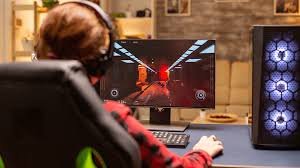
There was a time when gaming meant escape. Long evenings, maybe a bit too long, spent chasing levels, unlocking characters, or just wandering through virtual worlds for the joy of it. No expectations, no pressure—just play.
Now, somewhere along the line, a new idea slipped in: what if you could earn while doing it?
At first, it sounded almost too good. Play a game, collect rewards, convert them into real money. Simple, right? Well… not exactly.
The Moment Gaming Became “Productive”
The shift didn’t happen overnight. It built slowly with blockchain, NFTs, and digital economies becoming part of everyday conversation. Suddenly, in-game assets had value beyond the game itself.
Players weren’t just spending time—they were investing it.
And that changed the tone. Gaming stopped being purely recreational for some and started feeling… transactional.
Play-to-Earn Games: Gaming se income reality hai ya hype?
This question sits at the center of the entire discussion. And honestly, the answer depends on who you ask—and when you ask them.
There are people who’ve made money through play-to-earn (P2E) games. Early adopters, especially, benefited when certain games gained popularity. Tokens had value, NFTs were in demand, and the ecosystem felt promising.
But here’s the catch—those moments don’t always last.
Earnings in P2E games are often tied to market demand. If the game’s economy slows down or player interest drops, income potential can shrink quickly. What looked like a steady stream can turn unpredictable.
How the Model Actually Works
At its core, play-to-earn relies on in-game rewards that can be traded or sold. These might be tokens, rare items, or digital assets linked to blockchain technology.
Players invest time (and sometimes money) to acquire these assets, then sell them in marketplaces.
Sounds straightforward. But it’s not just about playing—you need to understand the game’s economy, timing, and sometimes even external market trends.
It’s a mix of gaming and strategy, almost like managing a small digital business.
The Hidden Costs
One thing that often gets overlooked? Entry barriers.
Many P2E games require an initial investment—buying characters, NFTs, or access passes. For some players, this cost can be significant.
And unlike traditional games where you pay once and play freely, here there’s a financial risk. If the game doesn’t perform well, recovering that investment isn’t guaranteed.
It’s not just play—it’s play with stakes.
When Fun Starts to Fade
This is where things get a bit complicated.
When earnings become the goal, the experience of gaming changes. Tasks can start feeling repetitive, almost like chores. You log in not because you want to, but because you feel like you should.
And that shift—from enjoyment to obligation—can take away the very thing that made gaming appealing in the first place.
It’s a subtle change, but an important one.
Who Is It Really For?
Play-to-earn might work best for a specific kind of player.
Someone who enjoys grinding, understands digital markets, and is willing to take risks. It’s less about casual fun and more about consistency and strategy.
For casual gamers, though, the appeal might wear off quickly. If you’re just looking to unwind after a long day, turning that time into a calculated effort to earn might not feel worth it.
The Role of Hype
Let’s not ignore the hype factor.
Whenever a new P2E game launches, there’s often a surge of excitement—promises of high returns, success stories, social media buzz. It creates momentum, drawing in more players.
But hype isn’t the same as sustainability.
Many games struggle to maintain long-term engagement or stable economies. And when that happens, the earning potential drops.
It’s not necessarily a flaw—it’s just the reality of emerging systems.
A More Balanced Perspective
So, is earning through gaming possible? Yes.
Is it reliable? Not always.
It’s probably best to see play-to-earn as an opportunity rather than a guarantee. Something to explore, experiment with—but not depend on entirely.
And maybe that’s where a lot of people go wrong. They expect consistent income from something that’s still evolving.
The Future of Gaming and Income
The idea of earning while playing isn’t going away. If anything, it’s likely to evolve.
Developers are experimenting with more sustainable models, blending entertainment with digital ownership. Some might succeed, others won’t—but the concept itself has already taken root.
And as technology improves, we might see more balanced ecosystems where fun and earning coexist more naturally.
A Final Thought
At the end of the day, gaming is still… gaming.
It’s meant to engage, entertain, maybe even challenge you in a good way. If earning becomes part of that, great—but it shouldn’t replace the joy entirely.
Because once playing starts to feel like work, you have to ask yourself—what are you really gaining?
