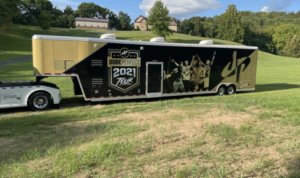
Before people taste the tacos, smell the barbecue, or read the menu, something else usually happens first — they notice the truck.
That first visual impression matters way more than most new food truck owners expect. In crowded streets, festivals, breweries, and parking lots full of competing vendors, appearance quietly decides who gets attention and who gets ignored.
And honestly, people eat with their eyes long before they place an order.
That’s probably why modern food trucks have evolved from simple mobile kitchens into full-blown visual experiences. The truck itself becomes part of the atmosphere, part of the personality, and sometimes even part of the story customers remember afterward.
A Food Truck Is More Than Transportation
Unlike traditional restaurants hidden inside buildings, food trucks exist completely out in the open. People see them from a distance first. Sometimes from across an entire event space.
That changes everything.
The exterior isn’t just decoration anymore — it becomes the storefront, the signboard, and the first conversation with potential customers. Great design creates curiosity before anyone even looks at the menu.
That’s exactly why food truck wraps became such an important investment for mobile food businesses over the last decade. A strong wrap helps trucks stand out visually while also communicating the style of food, mood, and personality customers should expect.
Bright playful graphics may suggest street tacos or desserts. Clean minimalist branding often feels more premium or modern. Retro typography can create nostalgia before someone even orders a burger.
Visual cues shape expectations surprisingly fast.
People Remember Feelings More Than Menus
Think about the food trucks you personally remember most.
Chances are it’s not only because the food was good. It’s probably because the whole experience felt memorable somehow. Maybe the truck had bold artwork, clever design, warm lighting, or a vibe that felt unique compared to everything else nearby.
That emotional connection matters.
In crowded markets, customers are constantly making split-second decisions. They naturally drift toward businesses that feel approachable, creative, or visually exciting. Sometimes the truck with the longest line isn’t serving the best food — it’s simply the one that made the strongest first impression.
And honestly, there’s nothing superficial about that. Restaurants have always relied on atmosphere. Food trucks just happen to carry their atmosphere around on wheels.
Wrapping Changed Mobile Business Design
Years ago, many food trucks looked pretty basic. Simple logos. Maybe some painted lettering. Functional, but forgettable.
Modern vehicle wraps changed that completely.
Today’s wraps can turn ordinary trucks into rolling works of art. Matte finishes, oversized food photography, illustrated graphics, textured designs, vibrant colors — wrapping technology allows food businesses to create bold identities without permanent paint jobs.
And flexibility matters a lot in this industry.
Menus evolve. Brands shift. Businesses grow. Wraps allow owners to refresh their visual identity later without replacing the truck itself. That’s especially valuable for startups still figuring out their long-term style.
High-quality wraps also protect original paint underneath, which helps maintain vehicle condition over time. So beyond marketing, there’s practical value too.
The Best Designs Usually Feel Honest
One thing I’ve noticed about truly successful food truck branding is that it rarely feels overdesigned.
Some trucks try too hard. Giant overloaded graphics, too many fonts, aggressive slogans screaming for attention. Ironically, those designs often become forgettable because they feel forced.
The strongest trucks usually communicate personality more naturally.
A simple color palette. Hand-drawn illustrations. Clever typography. Maybe one memorable visual idea that reflects the actual food experience honestly.
Customers respond well to authenticity, even visually.
If a truck specializes in homemade comfort food, polished luxury branding may feel disconnected. If it serves trendy fusion dishes, playful modern design might fit better. The visuals should feel like an extension of the food itself rather than separate from it.
That connection creates trust before the first bite even happens.
Social Media Made Visual Design Even More Important
Food trucks already relied heavily on appearance, but social media amplified that reality dramatically.
People photograph food trucks constantly now.
Customers post meals online, tag locations, shoot videos at festivals, and share experiences across platforms without businesses even asking them to. A visually striking truck naturally becomes part of that content.
And honestly, some wraps are designed almost specifically with Instagram and TikTok in mind now. Bright colors, dramatic lighting effects, oversized artwork — these details photograph incredibly well, especially during evening events or busy city scenes.
One strong image online can introduce thousands of potential customers to a truck they’ve never seen before.
That kind of visibility matters enormously for local food businesses competing for attention.
Good Branding Creates Familiarity
The word branding gets overused sometimes, but for food trucks, it really comes down to memory.
Will people recognize you quickly next time they see your truck?
Consistency helps answer that question. Repeated colors, logos, typography, and visual themes slowly become familiar over time. Customers start spotting favorite trucks instantly at crowded events without needing to search for names.
That familiarity builds loyalty quietly.
People often return to trucks they recognize simply because familiarity lowers uncertainty. In busy spaces filled with options, recognizable businesses feel safer somehow.
It’s human nature.
The Truck Becomes Part of the Experience
At the end of the day, food trucks succeed because they offer something slightly more personal than traditional fast food.
People see the cooking happening. They interact directly with staff. They gather around outdoor spaces with friends, music, conversation, and movement all around them. The vehicle itself becomes part of that atmosphere.
And honestly, that’s why visual presentation matters so much.
A thoughtfully designed truck doesn’t just advertise food. It creates anticipation. It tells people what kind of experience they’re about to have before they even step in line.
That’s powerful for something sitting on four wheels in a parking lot.
Sometimes great food gets people to come back.
But great visual identity often gets them to stop in the first place.
