Water is one of those things that just… exists in the background. You don’t plan your day around it, you don’t think much about it, and most of the time, you assume it’s doing its job properly. You turn on the tap, fill a glass, move on. Simple.
But every now and then, something shifts. A faint taste you can’t ignore. A kettle that starts collecting that chalky layer faster than before. Soap that doesn’t feel quite the same.
Nothing dramatic. Just enough to make you pause for a second.
And that’s usually where people start paying attention.
When Water Starts Feeling a Bit Different at Home
Most households don’t immediately connect small daily annoyances to water itself. It feels easier to blame cleaning products, old appliances, or just “normal wear and tear.” But often, the root is much simpler than that.
One of the most common causes behind these subtle changes is water softening—or more accurately, the lack of it in many homes. Hard minerals like calcium and magnesium naturally exist in water, and over time, they start leaving their mark everywhere.
You see it on bathroom tiles. On taps. Inside kettles. Even on clothes after repeated washes. At first, it feels manageable. Then it becomes routine. You clean more often, scrub a bit harder, adjust your expectations without even realizing it.
And that’s the strange part—you don’t notice the change in water. You notice the extra effort.
The Everyday Impact You Don’t Think About
Water affects far more than just drinking. It touches cooking, cleaning, bathing, laundry, and even how long your appliances last. So when something is slightly off, it quietly spreads across your entire home routine.
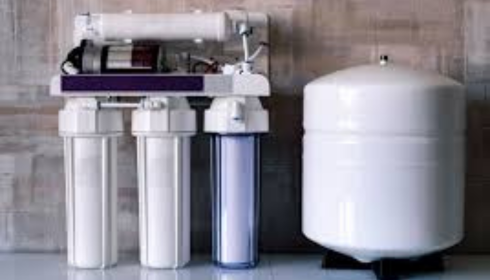
This is where reverse osmosis often enters the picture. It’s a method that uses a fine membrane to reduce unwanted particles and improve overall purity. You don’t usually think about the process itself—you just notice the result.
Water starts tasting cleaner. Tea feels smoother. Cooking water doesn’t carry that slight “something else” feeling anymore. It’s subtle, not dramatic. But it changes how you experience something you use dozens of times a day.
What’s interesting is how quickly people adjust to better water. After a while, it stops feeling like an upgrade and starts feeling like normal life. That’s usually a good sign.
The Role of Systems Working Quietly in the Background
Most people don’t realize how many steps water goes through before it reaches a tap. Treatment plants, pipelines, storage systems—all of it works together to bring water into homes every single day.
But once it reaches your house, another layer begins. That’s where drinking water systems come into play in many modern setups. These systems are designed to refine water further at the point of use, making sure what you drink feels consistent, clean, and reliable.
It’s not about making water “fancy.” It’s about removing that small layer of uncertainty. That moment of hesitation before drinking from the tap. The subtle doubt about taste or quality.
When those systems work well, that hesitation disappears. You don’t think twice—you just drink.
And honestly, that mental ease is something people don’t talk about enough.
Small Problems That Slowly Become Normal
Water issues rarely show up in a big way. They don’t announce themselves. They build slowly, almost politely.
A bit more scrubbing needed here. Slight residue on glassware there. A kettle that doesn’t stay clean for long. Nothing urgent, so it gets ignored.
Over time, these little things start blending into everyday life. You stop questioning them. You just adapt.
And that’s usually how most water-related problems stay hidden for so long—not because they’re severe, but because they’re gradual.
Why Better Water Feels Like Nothing at First
One of the most interesting things about improving water is that the difference isn’t immediately obvious.
There’s no dramatic “before and after” moment. No sudden shift that screams change. Instead, it’s quiet. Almost invisible.
And then one day you realize something simple—you haven’t thought about water quality in a while. Cleaning feels easier. Taste feels consistent. Appliances don’t seem to struggle as much.
That’s when it clicks.
Better water doesn’t feel like an event. It feels like the absence of small problems.
The Part You Only Notice When You Compare
The real difference in water quality usually shows up when you experience something else for comparison. Maybe while traveling. Maybe at a different home. Suddenly, the contrast becomes obvious.
That’s when you realize how much small inconsistencies were affecting daily life without you noticing.
It’s not about perfection. It’s about stability. A baseline that doesn’t change unexpectedly from one day to the next.
And once you get used to that stability, it’s hard to ignore its value.
A Simple Way to Think About It
At its core, water doesn’t need to be complicated. It just needs to feel consistent and reliable.
Whether it’s through water softening, better reverse osmosis setups, or modern drinking water systems, the goal is always the same—reducing friction in everyday life.
Less cleaning stress. Less second-guessing. Less small maintenance that quietly adds up over time.
Because when water is right, you don’t really notice it.
And in a strange way, that’s exactly what makes it work so well.
