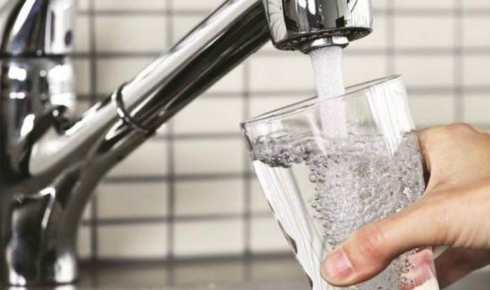
Most people don’t spend much time thinking about the water running through their house. It’s one of those things that quietly exists in the background until something starts feeling slightly off. Maybe your coffee tastes strange lately. Maybe your dishes never seem completely clean no matter how carefully you wash them. Or perhaps your skin feels dry after every shower and you keep blaming the weather.
Water has a funny way of affecting daily life without demanding attention.
A friend of mine once spent months replacing cleaning products because white spots kept appearing on her faucets and shower doors. She thought it was bad detergent or cheap fixtures. Eventually, someone suggested testing the water itself. That tiny conversation changed everything.
And honestly, stories like that are more common than people realize.
Water Touches Almost Every Routine in the House
Think about how often water shows up in daily life.
You brush your teeth with it first thing in the morning. You make tea or coffee with it. You wash vegetables, cook dinner, do laundry, clean dishes, shower after work — it’s everywhere. Because it’s so constant, even small water quality problems can quietly shape the feeling of an entire home.
That’s why more homeowners have started paying closer attention to residential water systems over the last several years. People are realizing that water affects far more than just what comes out of the kitchen tap.
And once you begin noticing the effects, it becomes surprisingly hard to ignore them again.
The Small Signs Most People Miss
One reason water issues often go untreated is because they develop slowly.
There’s usually no dramatic moment where something suddenly breaks. Instead, it’s gradual. Soap stops lathering properly. Glassware comes out cloudy. Mineral stains appear around sinks and faucets. Water pressure changes slightly over time.
You adapt without realizing it.
I remember visiting relatives who constantly complained about replacing appliances earlier than expected. Their coffee maker failed, then their dishwasher, then eventually their water heater started struggling too. A technician later explained that mineral-heavy water had been quietly damaging the systems for years.
That’s the tricky part about household water issues. They often feel disconnected from the actual source.
Why Water Filtration Has Become More Common
Years ago, a lot of people viewed filtration systems as luxury upgrades or something only necessary in extreme situations. That mindset has changed quite a bit.
Today, water filtration feels much more practical than trendy. Homeowners want cleaner-tasting water, fewer maintenance problems, and less dependence on bottled water. Families also seem more aware of overall home wellness now — better air quality, healthier food, cleaner water, and more sustainable living choices.
The interesting thing is that people often notice improvements in unexpected ways after installing filtration systems.
Coffee tastes smoother. Ice cubes stop carrying odd smells. Laundry feels softer. Even cooking changes slightly because water affects flavor more than most people realize.
A cousin of mine installed a simple under-sink filtration setup mainly because he disliked the chlorine taste in his tap water. A month later, he told me the funniest improvement was how much more water he started drinking naturally throughout the day.
Sometimes small comforts create surprisingly big lifestyle changes.
Not Every Home Needs the Same Solution
One mistake homeowners sometimes make is assuming there’s one universal fix for every water problem.
There isn’t.
Different regions face different challenges depending on local geology, plumbing infrastructure, and water sources. Some homes mainly deal with hard minerals. Others struggle with sediment, sulfur smells, chlorine-heavy treatment, or aging pipes.
That’s why testing matters before purchasing expensive equipment.
A proper water test often reveals issues homeowners didn’t even realize existed. And sometimes the solution turns out to be much simpler than expected.
Honestly, the water industry can feel overwhelming because every company promises “perfect” water, which sounds nice but rarely reflects reality. Good systems solve practical household problems. That’s what matters most.
Water Solutions Should Fit Real Life
The best water solutions are usually the ones homeowners stop thinking about after installation.
That may sound strange, but it’s true.
Good water systems quietly improve everyday routines without creating extra stress or maintenance headaches. Whether it’s reducing mineral buildup, improving taste, softening hard water, or filtering sediment, the goal isn’t perfection. It’s comfort and consistency.
A neighbor of mine once described upgrading her home water setup as “removing a hundred tiny annoyances I didn’t realize I was tolerating.” Honestly, that explanation feels more accurate than most advertisements.
Because better water rarely creates one huge dramatic transformation. Instead, it improves dozens of ordinary moments throughout the week.
Better Water Quietly Protects the Home Too
Beyond comfort, water quality also affects the long-term health of plumbing systems and appliances.
Mineral buildup inside pipes can reduce efficiency over time. Water heaters work harder when sediment accumulates. Dishwashers and washing machines may wear down faster in homes with untreated hard water.
These problems usually develop gradually enough that homeowners don’t immediately connect them to water quality. But over years, the costs add up.
That’s why preventative improvements often make more financial sense than waiting for something expensive to fail unexpectedly.
Sometimes the Most Valuable Home Upgrades Are the Quiet Ones
People often think home improvements need to be visible to matter. Renovated kitchens, new flooring, fresh paint — those upgrades get attention immediately.
Better water works differently.
It quietly improves the routines that happen every single day. Cooking dinner. Taking showers. Filling a glass late at night. Washing clothes after a busy week. Those moments don’t sound dramatic, but together they shape how comfortable a home feels overall.
And maybe that’s why better water matters more than people initially expect.
When the water quality improves, the entire home somehow feels easier to live in — calmer, cleaner, more comfortable in small but meaningful ways.
