Water is easy to take for granted. You turn on the tap, fill a glass, start the washing machine, run the shower, and move on with the day. Most of us don’t pause and think about where that water has been, what it picked up along the way, or why it sometimes tastes a little strange.
But homes have a way of dropping hints. Maybe the shower glass gets cloudy too fast. Maybe your coffee tastes slightly flat. Maybe laundry doesn’t feel as fresh as it should, or the bathroom faucet has that chalky ring that comes back no matter how often you scrub it. Small things, sure. But small things can say a lot.
Water quality isn’t only about whether water looks clear. Clear water can still carry minerals, chlorine, sediment, odors, or other unwanted elements. And because every home has a different water source, different plumbing, and different daily usage, a one-size-fits-all answer doesn’t always work.
Every Home Has Its Own Water Story
City water and well water can behave very differently. Even two houses in the same neighborhood may not have the exact same water issues. One home may struggle with hard water buildup, while another deals with chlorine smell, cloudy water, or sediment after plumbing work nearby.
That’s why testing matters. Guessing based on taste or appearance can help you notice a problem, but it doesn’t tell the full story. A proper water test can show what is actually present, how serious the issue is, and what kind of treatment makes sense.
This is where custom filtration systems can be especially useful. Instead of installing a random filter and hoping it helps, a customized setup is designed around the home’s actual needs. It may include sediment filtration, carbon filtration, softening, or other treatment options depending on what the water contains.
Why Basic Filters Are Not Always Enough
Pitcher filters and faucet attachments can improve taste in one spot, and there’s nothing wrong with that. They are convenient, affordable, and simple to use. But they usually treat only a small amount of water.
The problem is that water doesn’t only matter when you drink it. It touches your skin in the shower, runs through your dishwasher, fills your washing machine, heats inside your water heater, and flows through pipes and fixtures all day long.
So if the issue is affecting the entire home, a tiny filter on one faucet may only solve a tiny part of the problem. It might make drinking water taste better while the shower still smells like chlorine or the washing machine still deals with mineral-heavy water.
Matching the Solution to the Problem
Good water treatment solutions should be based on real conditions, not just popular product labels. Hard water may require softening. Chlorine taste and odor may call for carbon filtration. Sediment may need a pre-filter. Well water may require more detailed testing, especially if odor, staining, or unusual taste is present.
The right solution can make daily life smoother. Dishes may come out clearer. Coffee and tea may taste better. Showers may feel cleaner. Fixtures may stay brighter for longer. And appliances may have an easier time doing their jobs.
It’s not always dramatic overnight. Sometimes the improvement is quieter. You notice the kettle doesn’t scale up as quickly. Towels feel a little better. The sink doesn’t look cloudy two days after cleaning. Those are the kinds of changes that make a home feel easier to manage.
The Value of Treating Water Before It Spreads
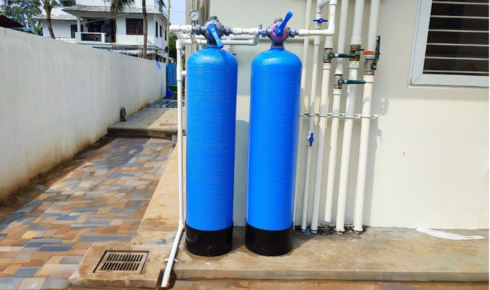
For households dealing with more than one water concern, whole home filtration can be a smart option. These systems treat water near the point where it enters the house, before it reaches different taps, showers, and appliances.
That means the benefits are not limited to the kitchen sink. Treated water can support bathrooms, laundry, dishwashing, cooking, and cleaning. It creates a more consistent water experience throughout the home.
This can be especially helpful for families who are tired of juggling separate filters, bottled water, shower attachments, and constant cleaning products. A whole-home approach can simplify things.
Better Water Can Protect More Than Taste
Water quality affects comfort, but it can also affect household systems. Sediment can clog fixtures. Minerals can build up inside appliances. Chlorine can affect taste and smell. Poor water conditions can make cleaning feel harder than it should.
Of course, filtration is not a replacement for maintenance. Filters need changing. Systems need proper sizing. Plumbing still needs attention. But when the incoming water is better managed, the whole home can benefit.
A Practical Upgrade With Everyday Rewards
The best home improvements are not always the ones guests notice first. Sometimes they are the ones that quietly make daily routines easier. Better water is like that. It improves the shower you take half-asleep in the morning, the coffee you make before work, the laundry you fold at night, and the glass of water beside your bed.
Clean, reliable water should feel normal. Not complicated. Not like a luxury. Just part of a home that works well.
And once you experience water that tastes, smells, and feels better throughout the house, it’s hard to go back to ignoring what comes out of the tap.
