A good lake vacation doesn’t always need a packed schedule or a long list of attractions. Sometimes, the best part is waking up slowly, stepping outside with a cup of coffee, and deciding what the day should look like as it unfolds. Maybe you’ll spend the morning fishing, take a walk along the shoreline after lunch, or sit outside with friends until the evening gets cool. These simple moments are often what make a getaway worth repeating.
Still, the place you choose matters. Comfortable accommodation, convenient waterfront access, and practical facilities can make the difference between a relaxing holiday and one filled with little frustrations. If you’re planning a family trip, a fishing weekend, or a few quiet days with friends, it helps to know which amenities will genuinely improve your stay.
Find a Shoreline That Suits Your Plans
Not every waterfront property offers the same experience. Some have rocky edges and deep water, while others provide gentle slopes, grassy areas, or places where visitors can sit close to the lake. Thinking about how you want to spend your time outdoors can help you narrow down your options.
For families with children, a sandy beach can be an appealing feature. It provides room to play, build sandcastles, relax in the sun, or enjoy a picnic near the water. Adults may appreciate having a comfortable place to read or unwind while the children play nearby. Of course, a beach doesn’t automatically mean swimming is permitted or safe, so check local rules, water conditions, and supervision requirements before entering the lake.
Beach access is worth examining carefully when booking accommodation. Ask whether the shoreline is part of the property, shared with other visitors, or located a short walk away. Photographs can be helpful, but current descriptions and direct questions often provide a clearer picture of what to expect.
Also consider shade, seating, and access to restrooms. A beautiful stretch of shoreline is wonderful, but a little practical comfort makes it easier to enjoy for several hours rather than just a quick visit.
Why Easy Water Access Makes a Difference
For people who enjoy boating, fishing, or simply spending time near the lake, convenient access to the water can be one of the most valuable features of a rental property. Carrying fishing gear, coolers, life jackets, and other supplies becomes tiring when the water is far from where you’re staying.
Properties with private docks may offer a more convenient way to access the lake, depending on the property’s layout and local regulations. A dock can provide a place to prepare fishing equipment, board a boat where permitted, or sit quietly and enjoy the view. It can also make early mornings easier for anglers who prefer getting onto the water before the day becomes busy.
Before booking, confirm what private dock access actually includes. Some properties provide a dock for guest use, while others may have restrictions on boat size, mooring, or the number of people allowed on the structure. Ask whether boats are included in the rental or must be arranged separately.
Safety should remain part of the conversation. Docks can become slippery, especially after rain, and water depth may vary. Families should check whether railings are present and supervise children closely around the shoreline. If boating is planned, review local requirements for life jackets, permits, and operating conditions.
Make Fishing Trips More Comfortable
A fishing getaway has its own rhythm. The day might begin before sunrise, with everyone gathering equipment while the rest of the area is still quiet. Hours later, you return with stories about the one that got away, a few photographs, and hopefully a catch worth talking about over dinner.
A little preparation can make this kind of trip much easier. Check local fishing regulations before leaving home, including licensing requirements, seasonal restrictions, catch limits, and rules for particular species. These details vary by location and can change, so use current official guidance rather than relying solely on advice from other anglers.
Think about the equipment you’ll need, too. Rods, tackle, bait, coolers, towels, and suitable clothing can take up more space than expected. If the property offers storage or an outdoor area for organizing equipment, ask how it can be used and whether any restrictions apply.
It’s also sensible to plan for the possibility of a slow day on the water. Weather changes, fish move, and even experienced anglers have trips when nothing seems to bite. Having another activity available, such as walking nearby trails or preparing a relaxed lunch, helps everyone enjoy the vacation regardless of the catch.
Facilities That Help After a Day on the Water
Fishing can be messy, especially when you’re handling a fresh catch. Having a suitable place to clean fish can save time and keep the main living area tidy. It also helps separate food preparation from other outdoor activities.
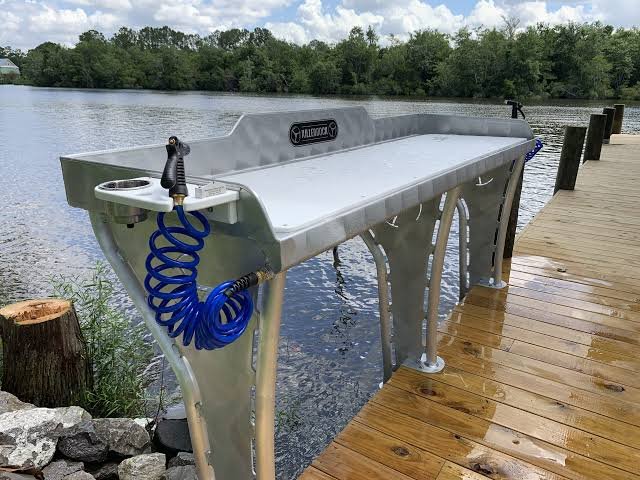
A dedicated fish cleaning house can be useful at properties designed with anglers in mind. Depending on the facility, it may provide a cleaning table, running water, lighting, and a designated area for handling fish. Before booking, ask which features are available and whether guests need to bring their own knives, cleaning supplies, or containers.
Hygiene matters here. Fish should be handled safely, kept at suitable temperatures, and cleaned using equipment and surfaces that can be washed properly. Waste must be disposed of according to local rules rather than left near the shoreline. Responsible handling helps protect the environment and keeps the property pleasant for everyone.
If no dedicated cleaning facility is available, find out whether fish cleaning is permitted elsewhere on the property. Some rentals have specific restrictions to prevent odours, stains, or wildlife problems. Knowing the rules ahead of time avoids an awkward conversation after you’ve returned from fishing.
Choosing Accommodation for Families and Groups
The right rental should fit the people traveling with you, not just the view in the listing. A couple might be comfortable in a small cabin with a porch, while a larger family may need multiple bedrooms, a full kitchen, and a spacious living area.
Consider how everyone will use the property throughout the day. Will some guests want to fish while others prefer relaxing by the water? Is there enough indoor space if the weather turns rainy? Are the sleeping arrangements suitable for children or older relatives? These questions can help you avoid choosing a place that looks attractive online but feels cramped once everyone arrives.
Kitchen facilities are particularly useful for longer stays. Preparing breakfast before heading out or cooking dinner after a day outdoors can be more convenient than driving to a restaurant every evening. Check what cookware and appliances are provided, and whether nearby shops sell groceries and basic supplies.
Read the full listing and booking terms carefully. Confirm the number of guests allowed, check-in procedures, parking arrangements, cleaning fees, and cancellation policies. If you have questions about access to the beach, dock, or fishing facilities, ask before paying a deposit.
Respect the Lake and Its Surroundings
A waterfront vacation is more enjoyable when visitors help preserve the setting. Keep rubbish secured, avoid disturbing wildlife, and follow posted rules around docks, beaches, and shared outdoor areas. If you use a fire pit or barbecue, follow the property’s instructions and any current fire restrictions.
Noise is another consideration, particularly in areas where several families or groups share the shoreline. Music and late-night conversations can carry surprisingly far across water. Being considerate of nearby guests helps everyone enjoy the peaceful atmosphere that drew them there in the first place.
Leave outdoor spaces in good condition when you depart. Dispose of waste correctly, return borrowed equipment, and report damage or maintenance concerns to the property manager. These small actions support responsible tourism and help keep the destination welcoming for future visitors.
Enjoy the Trip Without Overplanning It
The best lake vacations usually combine a little preparation with plenty of flexibility. Choose accommodation that suits your group, confirm the facilities you’ll actually use, and check local rules before planning activities on the water.
After that, leave room for the unexpected. Spend an extra hour fishing if the morning is beautiful, take a spontaneous walk along the shore, or enjoy dinner outside instead of sticking to a strict schedule. Those unplanned moments can become the stories everyone remembers later.
With thoughtful planning and the right waterfront amenities, a lake getaway can offer something more valuable than a busy itinerary: time to relax, reconnect, and enjoy the outdoors at your own pace.
