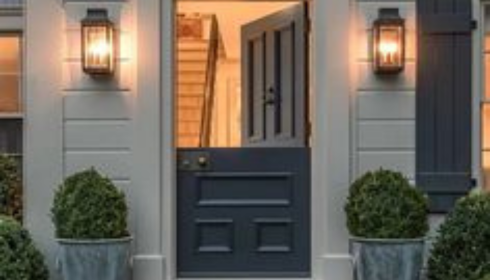
There’s a reason some homes feel welcoming before you even step inside. You walk up the path, glance at the entrance, and something immediately feels warm and intentional. Other houses, even expensive ones, can feel oddly forgettable despite having all the “right” features.
A lot of that comes down to the front entrance.
People tend to focus heavily on kitchens, flooring, or furniture when thinking about home design, but the entryway quietly shapes the entire first impression of a property. It introduces the house emotionally before anyone experiences the inside.
And honestly, homeowners are paying more attention to that now than ever before.
The Front Door Does More Than Open and Close
It sounds simple, but a front door becomes part of daily life in ways we rarely think about consciously.
You touch it every morning while leaving for work. You walk through it carrying groceries, welcoming guests, dragging in luggage after long trips, or stepping inside after exhausting days. The entrance slowly becomes tied to routine and comfort without us realizing it.
That’s why thoughtfully designed front doors matter beyond appearance alone.
The best ones create a feeling. Sometimes it’s warmth. Sometimes elegance. Sometimes quiet confidence. Materials, proportions, lighting, and hardware all contribute to that atmosphere.
A friend of mine recently replaced a faded wooden front door with a cleaner steel-and-glass design framed in matte black. The funny part is that the house itself barely changed otherwise. Same paint. Same landscaping. Same layout. Yet somehow the entire property suddenly felt more modern and complete.
It’s amazing how one architectural detail can shift perception that dramatically.
Exterior Design Is Becoming More Intentional
For years, a lot of residential architecture felt overly focused on trends. Huge decorative elements, excessive ornamentation, and features designed mainly to stand out in photos rather than age gracefully over time.
But recently, there’s been a noticeable shift.
People seem more interested in homes that feel balanced and authentic instead of overly staged. That change has had a huge influence on exterior design too.
Instead of trying to impress with complicated details, homeowners are leaning toward cleaner lines, stronger materials, and more thoughtful architectural balance. Entrances now often feature softer lighting, oversized glass panels, textured materials, and simpler hardware that complements the home naturally.
And honestly, the result usually feels calmer.
Good exterior design isn’t about making every feature compete for attention. It’s about creating harmony so the home feels intentional as a whole.
Why Simplicity Often Feels More Luxurious
One interesting thing about modern home trends is that simpler spaces frequently feel more expensive now than heavily decorated ones.
There’s a quiet confidence in restraint.
A clean entrance with quality materials and balanced proportions often leaves a stronger impression than elaborate decorative features. That’s probably why modern entryways are leaning toward minimal iron framing, oversized vertical handles, matte finishes, and architectural lighting instead of ornate detailing everywhere.
The entrance doesn’t need to shout to feel memorable.
In fact, some of the most elegant entryways are surprisingly understated. A dark framed door against light stonework. Warm lighting near textured glass. Subtle landscaping that softens the architecture instead of hiding it.
Those details feel timeless because they rely on balance rather than trends.
And timeless design usually ages far better.
Materials Matter More Than Trends
Homeowners are also becoming more thoughtful about durability and craftsmanship instead of focusing purely on appearance.
That makes sense because front entrances handle constant use. Rain, heat, sunlight, dust, temperature changes, daily traffic — the entrance experiences more wear than most parts of the home.
Quality materials matter.
A beautiful door that warps after two summers or hardware that loosens after a year quickly loses its charm. On the other hand, well-built entrances tend to become more appreciated over time because they quietly continue working well every single day.
That’s one reason materials like iron, steel, natural wood, and textured glass remain popular despite changing trends. They feel substantial. Permanent. Reliable.
And honestly, people seem to crave that feeling more now than they did a decade ago.
Entrances Shape Emotional Comfort Too
What makes front entrances interesting is that they affect emotional comfort as much as visual appearance.
A thoughtfully designed entry creates a sense of arrival. You step through the doorway and mentally transition from outside stress into personal space. That routine becomes deeply familiar over time.
Small details influence that experience constantly. The sound the door makes closing. The smoothness of the hardware. The warmth of exterior lighting in the evening. Even the proportions of the entryway itself affect how welcoming the home feels.
These aren’t things people consciously analyze every day, but they absolutely experience them.
The Best Homes Feel Welcoming Before You Step Inside
At the end of the day, homeowners aren’t really chasing perfection. Most people simply want homes that feel comfortable, grounded, and genuinely theirs.
And often, the entrance becomes the emotional starting point for that feeling.
A thoughtfully designed front entry quietly changes how a house is experienced by both visitors and the people living there. It improves first impressions, yes, but it also improves ordinary daily moments that happen around the doorway constantly.
That’s why investing in the entrance tends to feel more meaningful than expected.
Not because it’s flashy or trendy, but because it changes the experience of home itself.
And honestly, the homes people remember most usually aren’t the loudest ones. They’re the ones that simply feel welcoming from the very first step toward the front door.
