Most people don’t think much about water. It’s just there — turning on when you need it, disappearing when you don’t. It fills kettles, runs showers, cleans dishes, and slips into the background of daily life so smoothly that it becomes almost invisible.
Until something changes.
A strange taste. A faint odor. A bit of cloudiness in a glass that used to look perfectly clear. Small things like that don’t seem serious at first, but they’re often the first hint that something behind the scenes isn’t quite working the way it should.
And usually, that “something” starts much deeper than people expect.
When Everyday Water Starts Feeling Different
Water systems don’t usually fail suddenly. They shift gradually, almost politely. Pressure drops a little. Fixtures take longer to clean. Soap doesn’t feel quite as effective as it used to.
Most homeowners adjust without realizing it. You get used to changes so slowly that they stop feeling like changes at all.
But beneath all of that, there’s always a system at work — pipes, connections, pressure balance, and environmental influence all interacting in real time.
And when even one part of that system starts drifting, the effects spread quietly through the entire home.
That’s why early signs matter more than most people realize.
The Hidden Role of Home Infrastructure
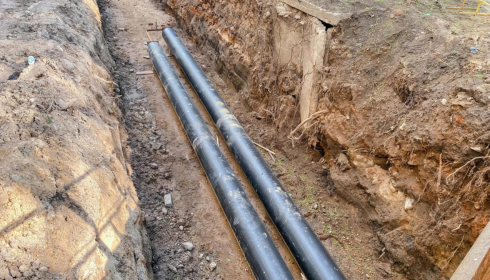
Behind every working tap is a network of systems doing constant, invisible labor. And one of the most overlooked parts of that network is plumbing.
It’s not just pipes and joints — it’s the entire structure that determines how water moves, how pressure is maintained, and how clean water actually reaches different parts of the house.
When everything is working properly, nobody thinks about it. That’s the ideal scenario. But when something shifts — even slightly — plumbing often becomes the first place those changes show up.
A slow leak, a pressure imbalance, or even buildup inside pipes can quietly influence water quality without obvious warning signs at first.
And because plumbing is hidden behind walls and floors, problems tend to develop longer than people expect before they’re noticed.
Where Water Really Comes From Matters More Than People Think
A lot of homeowners assume all water is the same once it reaches the tap. But the reality is more complicated.
In many regions, water originates from natural underground sources, moving through layers of soil, rock, and mineral deposits before it ever reaches treatment or household systems.
Along the way, it picks up characteristics from its environment — minerals, trace elements, and sometimes natural impurities that affect taste and clarity.
This is why two homes in different locations (or even nearby areas) can experience very different water behavior.
One might have perfectly clear, neutral-tasting water. Another might notice slight hardness, mineral buildup, or subtle changes in smell depending on seasonal shifts underground.
It’s all part of how natural systems work — constantly moving, constantly changing.
Why Water Quality Feels So Personal
Here’s something interesting: people rarely notice water when everything is fine, but they notice it immediately when it’s not.
A slightly off taste in morning tea. A shower that feels less refreshing. A glass of water that suddenly feels “heavy” for no obvious reason.
These aren’t just technical issues — they’re sensory ones. And because water is part of almost every daily routine, even small changes affect how comfortable a home feels.
It’s not about panic or alarm. It’s about familiarity.
We expect water to feel a certain way, and when it doesn’t, it stands out instantly.
When Small Issues Start to Build Up
Water systems tend to give warnings before anything serious happens. The problem is, those warnings are subtle.
A bit of scaling on faucets. Slight discoloration in fixtures. A faint smell that comes and goes depending on temperature or usage.
Individually, none of these feel urgent. But together, they often point toward deeper changes in the system.
Sometimes it’s a maintenance issue. Sometimes it’s environmental. And sometimes it’s just natural variation in supply conditions over time.
But ignoring early signs usually doesn’t make them disappear — it just delays the moment when they become harder to manage.
The Connection Between Systems and Comfort
It’s easy to think of water as something purely functional. Turn it on, use it, turn it off. But in reality, it shapes comfort more than most people realize.
Clean water makes cooking easier. It improves how showers feel. It even affects how appliances perform over time.
When water behaves consistently, everything in the home feels more stable. When it doesn’t, even small daily tasks start to feel slightly off.
And that’s usually when people start paying closer attention to what’s happening behind the scenes.
Why Awareness Makes a Big Difference
Understanding how water moves through a home changes how you respond to small issues.
Instead of ignoring minor changes, you start noticing patterns. Instead of guessing, you start asking where the change is coming from.
Maybe it’s a shift in underground supply conditions. Maybe it’s buildup in plumbing. Maybe it’s just natural variation over time.
But awareness gives you options — and that’s what prevents small issues from becoming bigger ones later.
Final Thoughts
Water is one of those things that quietly supports everything in daily life without asking for attention. It moves through systems, pipes, and natural pathways long before it reaches a glass or a shower.
Most of the time, it works exactly as expected. But when something shifts — even slightly — it becomes noticeable in subtle but meaningful ways.
Whether it’s influenced by plumbing, shaped by natural underground sources, or simply part of the broader behavior of water, these small signals are worth paying attention to.
Not because they always indicate a problem, but because they help you understand what’s happening inside a system that’s always working, even when you’re not thinking about it.
And in the end, that awareness is what keeps everything flowing the way it should — quietly, consistently, and without interruption.
