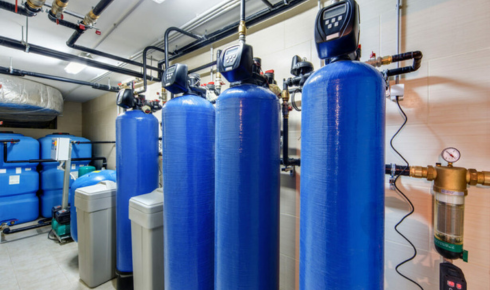
Most homeowners spend a lot of time thinking about the visible parts of a house. Kitchens get renovated. Living rooms get repainted. New flooring, better lighting, updated furniture — those changes feel exciting because you can actually see them every day.
But some of the most important systems in a home stay completely hidden until something goes wrong.
Water is probably the best example of that.
You turn on the faucet expecting pressure. You take a shower assuming water will arrive instantly. Laundry, cooking, washing dishes — all of it depends on an invisible network quietly working behind walls and underground without demanding much attention.
And honestly, when those systems fail, the entire rhythm of a home changes almost immediately.
Reliable Water Feels More Important After You Lose It
There’s something strangely stressful about turning on a faucet and hearing sputtering instead of steady flow. Even temporary water interruptions make people realize how dependent daily life is on systems they rarely think about otherwise.
That’s especially true in homes relying on wells or private water infrastructure instead of municipal supply lines.
A properly functioning residential water system does much more than provide convenience. It supports basic comfort. Morning showers. Cooking dinner. Running appliances. Watering gardens. Cleaning up after a long day. Those routines feel automatic until the system behind them starts struggling.
I remember staying at a rural property once where the water pressure dropped unpredictably throughout the day. At first it seemed like a small inconvenience. But after a few days, every normal task started feeling slightly frustrating because nobody could rely on consistent water flow anymore.
Funny how quickly people appreciate reliability once it disappears.
Well Systems Require More Attention Than People Expect
Homes using private wells often operate differently from city-connected properties. Instead of relying entirely on municipal infrastructure, homeowners become responsible for maintaining key parts of the water supply themselves.
That includes the pressure tank, filtration setup, plumbing lines, and especially the well pump responsible for pulling water from underground sources into the home.
Most people don’t think about their well pump very often, mainly because it’s hidden away somewhere out of sight. But it’s one of the hardest-working pieces of equipment on the property.
Every shower, washing machine cycle, dishwasher load, and outdoor hose connection depends on that pump functioning correctly. And like any mechanical equipment, wear builds gradually over time.
Sometimes the warning signs are subtle. Water pressure fluctuates. Faucets spit air briefly before water flows normally. The pump cycles on and off more frequently than usual. Strange humming or clicking sounds begin appearing near the pressure tank.
Those small clues matter more than homeowners sometimes realize.
Small Water Problems Tend to Grow Quietly
One challenge with residential water systems is that problems usually develop slowly. Rarely does everything fail overnight without any warning.
Instead, performance declines little by little. Homeowners adapt gradually, assuming the weak pressure or inconsistent flow is “normal” because the changes happen slowly enough to avoid immediate panic.
But small issues often place extra strain on the entire system.
Sediment buildup, aging electrical components, worn seals, pressure switch problems, or underground leaks can all quietly reduce efficiency while increasing long-term damage. The system keeps working — just not as smoothly as it should.
I once heard a technician explain it perfectly: “Water systems whisper before they scream.”
Honestly, that feels accurate.
Water Delivery Is About More Than Pipes
People sometimes assume water supply is simply about getting water from one place to another. But reliable water delivery actually involves balance — pressure consistency, flow rate, filtration, pump performance, and proper system sizing all working together behind the scenes.
When those pieces stay balanced, homeowners barely notice anything. Water simply appears where it’s needed without frustration.
But when something becomes uneven, daily routines start feeling harder in surprisingly emotional ways.
Showers lose pressure halfway through. Outdoor irrigation struggles. Dishwashers run inefficiently. Washing machines take longer to fill. The entire house feels slightly less functional even if nobody immediately understands why.
That’s why solving water system issues often creates such noticeable relief afterward. People suddenly realize how much stress they’d quietly adapted to over time.
Maintenance Usually Gets Ignored Until It’s Urgent
Most homeowners don’t intentionally neglect their water systems. The problem is that pumps, tanks, and plumbing components stay hidden most of the time. Out of sight usually means out of mind.
But occasional inspections and preventive maintenance genuinely make a huge difference.
Pressure tanks should be checked periodically. Filters need replacement. Pumps benefit from monitoring before small mechanical issues become expensive emergencies. Sediment buildup, especially in areas with hard water, can quietly shorten equipment lifespan much faster than people expect.
And unfortunately, water system failures never seem to happen at convenient times. It’s usually during holidays, weekends, freezing weather, or right before guests arrive.
That’s just how these things seem to work somehow.
Reliable Water Creates Quiet Peace of Mind
At the end of the day, most homeowners aren’t interested in becoming water system experts. They simply want confidence.
Confidence that showers will stay warm and steady. Confidence that laundry can run normally. Confidence that the faucet will work every time someone turns the handle.
Reliable water creates a kind of background peace people rarely think about directly. But once that reliability disappears, even briefly, the entire house feels unsettled.
And honestly, that’s probably why people who finally repair or upgrade struggling water systems often describe the improvement in surprisingly emotional ways. The house feels calmer. Easier. More comfortable again.
Not because anything flashy changed, but because one essential part of daily life quietly started working the way it was always supposed to.
