Most people don’t spend much time thinking about water until something suddenly makes them question it. Maybe the tap water starts tasting metallic, or a neighbor mentions old plumbing in the area. Sometimes it’s a news story about aging infrastructure that sticks in your mind longer than expected.
Whatever the trigger is, it changes the way you look at something as ordinary as filling a glass from the kitchen sink.
I remember talking with a homeowner who bought a beautiful older house mainly because of its charm — original wood floors, antique fixtures, the kind of place with real character. A few months after moving in, they learned the home still had outdated plumbing materials hidden behind the walls. “I never thought about water before,” they admitted. “Now I think about it every day.”
That’s the strange thing about water. It stays invisible in our lives until trust disappears.
Water Is More Personal Than People Realize
We interact with water constantly without noticing it much. We drink it, cook with it, shower in it, wash dishes and laundry with it. It’s woven into nearly every routine inside a home.
When concerns about water quality appear, they affect more than just convenience. They create uncertainty.
People start buying bottled water. They hesitate before giving tap water to their kids. Even simple habits like making coffee or boiling pasta begin carrying a small layer of doubt in the background.
That’s why access to truly clean water feels less like a luxury and more like peace of mind.
One homeowner described finally upgrading their home’s filtration setup after years of uncertainty and said the biggest change wasn’t the taste of the water — it was “stopping the constant low-level worry.”
Honestly, that makes perfect sense.
The Hidden Problem With Older Plumbing
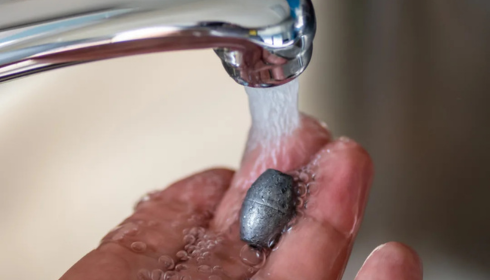
One of the more concerning water issues homeowners face involves aging infrastructure. Older pipes and plumbing materials can sometimes contribute to lead contamination, particularly in houses built decades ago before modern safety standards changed.
What makes this issue especially unsettling is how invisible it can be.
Water affected by lead doesn’t necessarily smell strange or look cloudy. In many cases, homeowners wouldn’t suspect anything without proper testing. That uncertainty is exactly why water quality discussions have become more common in recent years, especially among families living in older homes or neighborhoods with outdated infrastructure.
A friend once told me they assumed only abandoned or neglected properties dealt with these kinds of concerns. Then they discovered several well-maintained homes in their area had older plumbing systems quietly creating water quality risks behind the walls.
That realization changed how they viewed household maintenance entirely.
Water Problems Often Build Quietly
Most household water issues don’t appear dramatically overnight. More often, they develop slowly through small warning signs people gradually normalize.
Maybe the water pressure changes slightly. Maybe there’s occasional discoloration after maintenance work nearby. Some homeowners notice mineral buildup around faucets or strange tastes that come and go seasonally.
The problem is that people adapt.
A metallic taste becomes “normal.” White residue around sinks becomes another thing to clean every weekend. You stop questioning it because you see it every day.
Then you visit another house and suddenly realize your water doesn’t feel nearly as pleasant as you thought.
Why Testing Matters More Than Guessing
The internet makes it easy to spiral into anxiety over water concerns. Search for unusual tap water taste online and suddenly every explanation sounds catastrophic.
Reality is usually far less dramatic.
That’s why professional water testing matters so much. Instead of relying on assumptions or fear, testing provides actual information about what’s happening inside the home’s water supply.
Sometimes the issue is harmless mineral content. Other times, homeowners discover sediment buildup, pipe corrosion, or contaminants requiring attention. The important thing is knowing rather than guessing.
One family I know delayed testing for years because they worried about what they might find. Ironically, once they finally tested the water, the solution ended up being far simpler and more manageable than they had imagined.
Fear of the unknown often feels worse than the actual problem.
Better Water Changes More Than Taste
People usually expect improved water systems to make tap water taste better — and they often do. But the real changes tend to spread much further through everyday life.
Showers feel softer. Laundry becomes less stiff. Appliances run more efficiently. Glasses come out cleaner from the dishwasher. Even houseplants seem healthier sometimes, though maybe that part’s just optimism talking.
That’s why so many homeowners eventually invest in water treatment systems designed around their home’s specific water conditions. The goal isn’t simply filtering water for drinking. It’s improving how water behaves throughout the entire house.
One homeowner described it perfectly after installing a treatment system: “The whole house feels calmer now.”
Odd phrasing maybe, but surprisingly accurate.
Peace of Mind Is Part of the Value
There’s something deeply reassuring about trusting the water flowing through your home again.
You stop overthinking every glass from the sink. You stop storing endless cases of bottled water in the garage. Cooking and cleaning become routine instead of something that quietly triggers concern in the back of your mind.
That confidence matters more than people often admit.
And maybe that’s why homeowners are paying closer attention to water now than ever before. Not because everyone suddenly became obsessed with filtration technology, but because people are realizing how deeply water affects comfort, health, and daily life.
Once trust in your water disappears, you notice its importance immediately.
And once that trust comes back, ordinary routines somehow feel easier again in ways that are surprisingly difficult to put into words.
