There was a time—not too long ago—when life in India followed a predictable script. Study hard, get a degree, land a stable job. That was the formula. Parents trusted it, schools reinforced it, and students rarely questioned it.
But somewhere along the way, things started to feel… off.
You’d meet graduates with impressive degrees struggling to find relevant jobs. At the same time, self-taught coders, designers, and freelancers were quietly building careers without traditional credentials. It didn’t fit the old narrative, and yet, it was happening everywhere.
The Comfort of Degrees (And Why They Still Exist)
Let’s not dismiss degrees entirely—they still hold weight. A formal education offers structure, discipline, and a certain credibility that’s hard to ignore.
For professions like medicine, law, or engineering, degrees aren’t just important—they’re essential. You can’t “learn on YouTube” and start practicing surgery (thankfully).
But outside these structured fields, the value of a degree has started to feel… negotiable.
Employers are asking different questions now. Not just “Where did you study?” but “What can you actually do?”
The Rise of Practical Skills
This is where things get interesting.
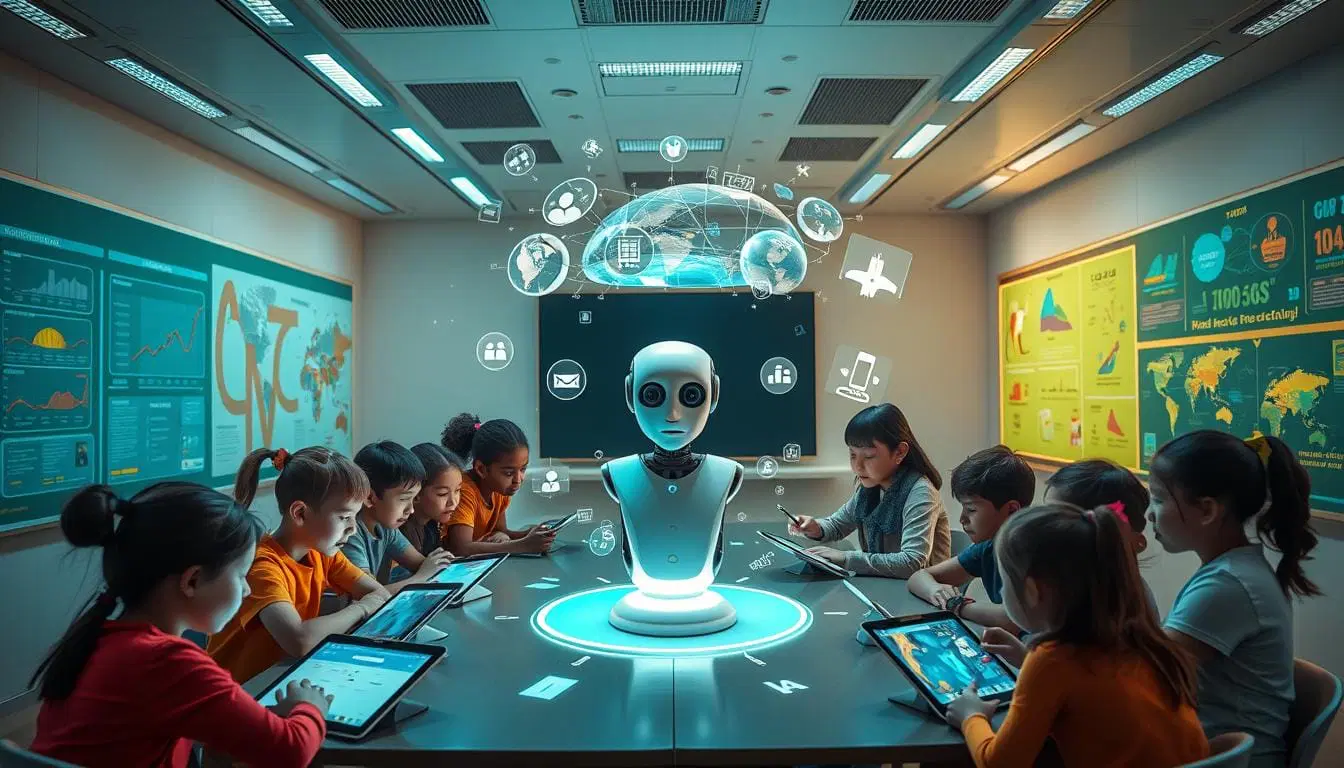
The internet has democratized learning in a way traditional systems never could. Platforms offering courses in coding, digital marketing, graphic design, and even AI have made it possible for anyone—with a bit of discipline—to build real, usable skills.
And these aren’t just hobby-level skills. Many of them are directly tied to industry demand.
A 22-year-old with strong portfolio projects can sometimes outshine a graduate who spent years memorizing theory but never applied it. Harsh? Maybe. But also real.
A Shift That Feels Inevitable
When you look at the bigger picture, Skill-based Education vs Degree Culture: India me kya change aa raha hai becomes less of a debate and more of an ongoing transition.
We’re not seeing a complete rejection of degrees. Instead, there’s a gradual blending of both worlds.
Students are still pursuing formal education, but alongside it, they’re picking up certifications, internships, freelance projects—anything that adds practical value. The idea is no longer just to “graduate,” but to be job-ready.
And honestly, that’s a healthier mindset.
What Employers Really Want Now
If you speak to hiring managers, especially in startups or tech-driven companies, a pattern emerges.
They care about outcomes.
- Can you solve real problems?
- Have you worked on projects that show your thinking?
- Do you adapt quickly when things change?
A degree might get your foot in the door, but it’s rarely enough to carry you through the interview process.
This shift is especially visible in industries like digital marketing, software development, content creation, and even finance roles. Portfolios, case studies, and hands-on experience are becoming stronger signals than academic scores alone.
The Role of Indian Education System
Here’s where things get a bit complicated.
The Indian education system, for all its strengths, hasn’t fully caught up with this shift yet. Curriculums can still be outdated, overly theoretical, and disconnected from industry needs.
That’s not a blanket criticism—there are institutions trying to innovate. But the pace of change is slow.
As a result, students often find themselves learning two parallel systems: one for exams, and one for the real world.
It’s exhausting, but it’s also shaping a more adaptable generation.
Parents, Pressure, and Changing Mindsets
Let’s talk about something we don’t always say out loud—parental expectations.
For many families, a degree still represents security. It’s something tangible, something they understand. Skills, on the other hand, can feel abstract and uncertain.
But even this mindset is evolving.
More parents are beginning to see success stories of non-traditional career paths—YouTubers, freelancers, startup founders. It’s not mainstream yet, but the cracks in the old belief system are visible.
Slowly, conversations are changing.
Is It Either-Or? Not Really
One of the biggest misconceptions is that you have to choose—degree or skills.
In reality, the strongest position lies somewhere in between.
A solid educational foundation combined with practical, market-relevant skills creates a powerful combination. You get the credibility of a degree and the adaptability of real-world experience.
It’s less about replacing one with the other, and more about integrating both.
The Road Ahead
So where is this all heading?
Probably toward a system that values continuous learning over one-time achievements.
Degrees might become more flexible. Skill certifications might gain more credibility. Employers might rely less on traditional filters and more on demonstrated ability.
It won’t happen overnight. Cultural shifts never do.
Final Thoughts
The narrative around education in India is changing—but not in a loud, disruptive way. It’s happening quietly, through choices students are making every day.
Some are still following the traditional path. Others are experimenting, learning online, building portfolios, taking risks.
And maybe that’s the real change.
Not the replacement of degrees, but the realization that learning doesn’t stop at graduation—and that what you can do might matter just as much as what you studied.
