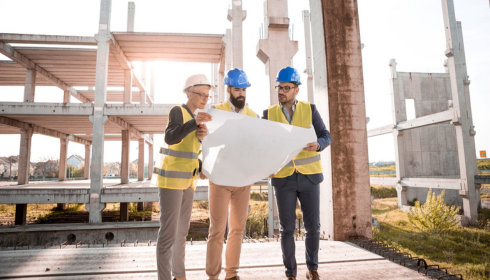
Construction projects almost never go exactly as planned. Even smaller jobs — a home addition, office renovation, or commercial upgrade — usually involve delays, budget adjustments, unexpected weather problems, or communication hiccups somewhere along the way. Most of the time, people work through those issues and move on.
But sometimes things unravel in ways nobody anticipated.
A crack appears in a foundation six months after completion. Water starts leaking through newly installed roofing during the first major storm. Structural concerns surface after inspections. Costs increase unexpectedly, and suddenly contractors, property owners, engineers, and insurers are all pointing fingers at each other.
That’s usually when construction stops feeling like a project and starts feeling like a dispute.
And honestly, these situations become stressful very quickly because buildings aren’t just financial investments. They’re homes, businesses, workplaces, and long-term commitments people depend on every day.
Why Construction Problems Are Rarely Simple
One thing outsiders often misunderstand about construction-related legal issues is how many moving parts exist behind even ordinary projects. A single development may involve architects, engineers, subcontractors, suppliers, inspectors, project managers, developers, and local code requirements all interacting at once.
When something goes wrong, determining responsibility isn’t always obvious.
A water intrusion issue, for example, might involve roofing installation, drainage design, flashing details, material quality, or maintenance failures. Structural movement could relate to soil conditions, engineering calculations, or construction shortcuts taken during scheduling pressure.
That complexity is why experienced construction expert witnesses are often brought into legal cases involving major building concerns. Their role goes beyond offering opinions in courtrooms. In many situations, they help attorneys and property owners understand what technically happened long before a trial even begins.
And good experts know how to translate highly technical issues into explanations ordinary people can actually follow.
Because let’s be honest — most property owners aren’t engineers. They simply know something feels wrong when floors begin shifting or moisture keeps appearing where it shouldn’t.
The Hidden Cost of Poor Workmanship
Construction issues affect more than appearances. A poorly finished wall might be frustrating, but serious building problems can create safety risks, financial strain, and emotional stress that drags on for years.
That’s especially true when dealing with major construction defects.
These defects may involve structural instability, water intrusion, code violations, electrical failures, HVAC problems, or improper installation of critical systems. Some issues appear immediately after completion. Others remain hidden until months or even years later when gradual damage becomes impossible to ignore.
And by then, repair costs can become enormous.
People often underestimate how emotionally exhausting these situations become. Imagine investing years of savings into a home or commercial property only to discover repeated leaks, mold growth, or structural concerns shortly afterward. It changes the way people feel inside spaces that were supposed to provide comfort or stability.
There’s also frustration tied to uncertainty.
Owners may hear different explanations from contractors, inspectors, or insurance representatives, all while trying to understand whether repairs are cosmetic or signs of something more serious underneath. The technical nature of construction makes it difficult for non-specialists to know who’s actually correct.
That uncertainty fuels conflict fast.
Why Construction Disputes Escalate So Easily
Construction projects involve contracts, deadlines, budgets, and expectations that don’t always align perfectly once work begins. A delay caused by weather may affect subcontractor scheduling. Material shortages increase costs unexpectedly. Design modifications happen mid-project.
Then communication breaks down.
At that point, construction disputes often become less about one isolated problem and more about accumulated frustration from multiple unresolved issues. One side feels work wasn’t completed properly. Another argues project conditions changed unexpectedly. Everyone believes their concerns are justified.
And honestly, sometimes multiple parties share responsibility at the same time.
That’s what makes construction litigation so complicated. These cases frequently involve technical evidence, engineering evaluations, contract interpretation, inspection reports, and expert analysis all layered together. Small details hidden inside project documentation can suddenly become incredibly important months later.
The strongest construction experts usually approach these cases methodically rather than emotionally.
They review blueprints, site reports, photographs, inspection records, contracts, and repair histories carefully before reaching conclusions. Good analysis takes time because buildings themselves are systems — one problem often connects to several others underneath the surface.
The Importance of Clear Technical Communication
One thing that separates effective construction experts from average ones is communication. Technical expertise matters enormously, of course, but it loses value quickly if nobody understands what’s being explained.
Judges and juries typically don’t come from engineering or construction backgrounds.
That means experts must explain structural concerns, code requirements, material failures, or scheduling issues in ways ordinary people can follow without oversimplifying the truth. The best professionals know how to do this calmly and clearly.
And interestingly enough, people usually trust measured explanations more than dramatic ones.
An expert who acknowledges uncertainty where it exists often appears more credible than someone acting completely certain about every detail. Real-world construction problems rarely fit into simple black-and-white narratives. Weather conditions, maintenance issues, workmanship quality, and design choices may all interact together.
That nuance matters.
Building Trust Through Careful Evaluation
At the center of most construction disputes is a simple question: what actually happened, and how should it be fixed fairly?
People want answers they can trust. They want professionals who will look carefully at the evidence rather than rushing toward convenient conclusions. Whether the issue involves a family home, commercial development, or public infrastructure project, the stakes often feel deeply personal to the people involved.
Because buildings aren’t just structures.
They represent investments, security, reputation, and years of planning. When serious problems emerge, the emotional stress can become just as difficult as the financial burden itself.
That’s why thoughtful investigation and honest communication matter so much in construction-related legal matters. Technical expertise is essential, but professionalism, patience, and clarity often determine whether conflicts escalate further or finally move toward resolution.
And in an industry built quite literally on foundations, trust remains one of the most important materials involved.
