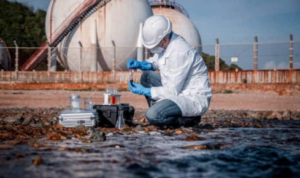
Water has a strange way of disappearing into the background when everything is working properly. You turn on a faucet, fill a glass, rinse vegetables, start a machine, and move on with your day without giving it much thought.
But once something feels off, it suddenly becomes impossible to ignore.
Maybe the water tastes metallic. Maybe equipment starts wearing down faster than expected. Maybe your coffee loses that clean flavor it used to have. In industrial settings, the stakes can be even higher — poor water conditions can quietly interfere with production, testing, and long-term equipment reliability.
And honestly, that’s why conversations around water treatment have grown so much in recent years. People are paying attention now in ways they didn’t before.
Water Quality Affects More Than We Realize
A lot of people assume water issues are obvious, but most of the time they develop slowly.
Mineral buildup forms quietly inside pipes and appliances. Sediment accumulates where nobody can see it. Water pressure changes little by little. By the time the signs become noticeable, the problem has often existed for months or even years.
That’s true in homes, laboratories, manufacturing facilities — really anywhere water plays a role in daily operations.
Good water quality matters because water touches almost everything. It affects appliances, plumbing, skin comfort, cooking, cleaning, industrial processes, and scientific precision. Yet many people only think about water when there’s a visible issue standing directly in front of them.
Funny how something so essential becomes easy to overlook.
The Demand for Cleaner, More Consistent Water
In both residential and industrial environments, there’s growing interest in cleaner, more controlled water systems. People no longer want water that’s simply “usable.” They want consistency.
That’s especially true in industries where even tiny impurities can create major problems.
For laboratories, pharmaceutical facilities, electronics manufacturing, and certain medical applications, high purity water isn’t just a preference — it’s a necessity. Dissolved solids, bacteria, minerals, or microscopic contaminants can interfere with sensitive equipment and testing procedures in ways that aren’t always immediately obvious.
And honestly, precision industries can’t afford inconsistency.
That’s why advanced purification technologies like reverse osmosis, deionization, UV treatment, and multi-stage filtration have become increasingly common in specialized environments. The goal is straightforward: remove impurities and create stable, reliable water conditions every single time.
Residential Water Concerns Are Changing Too
Homeowners are thinking differently about water these days as well.
Years ago, most people focused mainly on drinking water. A small refrigerator filter or bottled water seemed sufficient. But now, homeowners are paying more attention to the overall condition of the water flowing throughout the house.
And honestly, that shift makes sense.
Water impacts showers, laundry, dishwashing, cooking, coffee makers, and plumbing systems every single day. Hard minerals can slowly damage appliances. Chlorine-heavy water can affect taste and skin comfort. Sediment buildup quietly reduces efficiency over time.
People notice these things more once they start looking for them.
That’s partly why whole-home treatment and advanced filtration systems have become far more common than they were even a decade ago. Families want cleaner water not just at one kitchen sink, but throughout the entire home.
And once they experience the difference, they rarely want to go back.
Every Water Source Has Its Own Challenges
One thing many homeowners and businesses quickly discover is that there’s no universal solution for water treatment.
Municipal supplies vary from city to city. Older buildings may struggle with aging plumbing. Rural properties using wells often face sediment, sulfur, bacteria, or iron concerns. Industrial operations sometimes require extremely specific purification standards depending on equipment and production needs.
That’s why proper water testing matters so much before installing any treatment system.
Without testing, people often end up solving the wrong problem entirely. They buy expensive equipment based on online reviews or marketing claims without understanding what’s actually present in their water.
And honestly, the water treatment industry can feel overwhelming once you start researching it. Every company promises miracle solutions. Every system claims to be revolutionary.
Reality is usually much more practical.
Maintenance Is What Keeps Systems Effective
One detail people sometimes overlook is that even excellent treatment systems require ongoing care.
Filters need replacement. Membranes wear down. Mineral buildup doesn’t disappear forever. Ignoring maintenance gradually reduces performance, often without obvious warning signs in the beginning.
Fortunately, modern systems are generally easier to maintain than older generations used to be. Automated monitoring, digital controls, and improved filtration technologies have simplified the process significantly.
Still, consistency matters.
And honestly, regular upkeep is almost always less expensive than dealing with damaged appliances, failed equipment, or contaminated processes later on.
Better Water Quietly Improves Everyday Life
The interesting thing about cleaner water is how quietly it improves things.
At home, showers feel more comfortable. Coffee tastes cleaner. Dishes rinse properly. Appliances last longer. In laboratories and industrial settings, operations stay more stable and reliable behind the scenes.
Nobody usually celebrates water systems when they’re functioning correctly. That’s kind of the point.
Good water simply supports everything else quietly in the background without demanding attention.
And maybe that’s why better water matters more than people first realize. Not because it’s flashy or dramatic, but because it touches so many parts of daily life — from household comfort to scientific precision — without most of us ever fully noticing until something goes wrong.
