Most people don’t really think about their water until it starts creating problems. Maybe the dishes come out cloudy no matter how carefully you wash them. Maybe the shower leaves your skin feeling dry and itchy, especially during winter. Or maybe there’s that strange metallic taste in the kitchen tap that suddenly becomes impossible to ignore once you notice it.
The thing is, water problems rarely arrive dramatically. They usually build slowly over time, almost quietly, until homeowners realize they’ve been adapting to inconvenience for years.
And honestly, that realization happens more often in homes using private wells or older plumbing systems.
Well Water Has Its Own Personality
People who rely on private wells often describe their water almost like it’s alive. Some days it tastes perfectly fine. Other times there’s a faint odor, a little sediment, or discoloration that seems to appear without warning.
That’s because groundwater conditions naturally change depending on rainfall, soil conditions, underground minerals, and seasonal shifts. Unlike municipal water systems, private wells don’t go through centralized treatment before reaching the home.
So homeowners become responsible for monitoring and maintaining their own water quality.
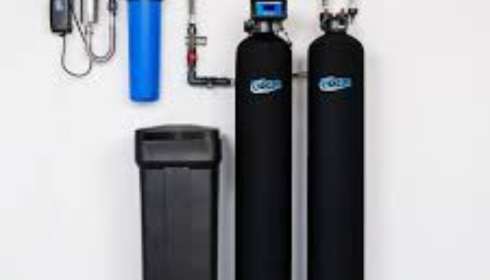
That’s where proper well water treatment becomes incredibly important. A good treatment setup can help address common issues like iron, sulfur odors, sediment, bacteria, and mineral buildup while improving overall comfort throughout the house.
And honestly, once people experience properly treated well water, the difference can feel surprisingly dramatic.
Water Problems Affect More Than Drinking
One misconception people often have is that water treatment only matters if the drinking water tastes bad. In reality, untreated water affects almost every system inside a home.
Hard minerals slowly build up inside plumbing pipes. Water heaters lose efficiency over time. Dishwashers develop residue. Washing machines experience extra wear. Faucets stain. Showers become harder to clean. Even laundry can feel stiff after washing.
The effects spread gradually enough that homeowners sometimes stop noticing them altogether.
Then they visit another home with softer, cleaner water and immediately wonder why everything there feels different somehow.
Modern Treatment Systems Are Much More Practical
Years ago, water treatment equipment often felt bulky and overly technical. Homeowners pictured noisy systems hidden in basements or garages requiring constant maintenance.
That’s changed a lot.
Today’s residential water treatment systems are far more efficient, compact, and user-friendly than older generations. Many include smart monitoring features, simplified maintenance schedules, and systems designed around specific household needs rather than generic one-size-fits-all setups.
Some homes only need sediment filtration. Others benefit from softening systems or advanced purification. The key is understanding the actual condition of the water before choosing equipment.
And honestly, that personalized approach matters more than flashy technology.
A properly matched system almost always performs better than oversized equipment installed without proper testing or planning.
Hard Water Is One of the Most Common Household Issues
Across many regions, hard water remains one of the biggest frustrations homeowners deal with. Minerals like calcium and magnesium naturally enter groundwater supplies, especially in rural areas or homes using wells.
While those minerals aren’t always dangerous, they can create endless maintenance headaches over time.
Soap doesn’t lather properly. White scale builds around faucets. Appliances work harder than necessary. Water spots appear constantly on dishes and shower doors. Towels feel rough after washing no matter which detergent you buy.
That’s why so many homeowners eventually install water softeners once they realize how much hard water affects everyday comfort.
And the benefits usually show up quickly.
People often notice softer skin after showers first. Then they realize cleaning takes less effort. Dishwashers work better. Laundry feels fresher. Even water heaters become more efficient because mineral buildup decreases inside the system.
Water Quality Quietly Shapes Daily Routines
What’s interesting about home water systems is how deeply they influence routines people barely think about.
Morning coffee tastes different depending on mineral content. Showers feel different depending on softness levels. Cooking changes when sediment or chlorine affect flavor. Even house cleaning becomes easier when water doesn’t leave stubborn residue everywhere.
None of these things sound life-changing individually. Yet together, they shape how comfortable a home feels every single day.
And maybe that’s why more homeowners are finally paying attention to water quality now. People want homes that feel healthier, cleaner, and easier to maintain overall.
Maintenance Is Part of the Process
Of course, even the best water systems still require occasional maintenance.
Filters need replacing. Salt levels must be monitored. Components wear down eventually through normal use. Fortunately, modern systems are much easier to maintain than older equipment people may remember from years ago.
Many homeowners are surprised by how manageable routine upkeep actually becomes once the system is installed properly.
And honestly, preventative maintenance almost always costs less than repairing plumbing damage or replacing appliances affected by untreated water long term.
Better Water Often Feels Like an Invisible Upgrade
The funny thing about improving water quality is that people eventually stop thinking about it.
Not because it doesn’t matter, but because everything simply starts working the way it should. The water tastes clean. Showers feel comfortable. Appliances run smoothly. Dishes come out clear. Laundry feels soft again.
Life becomes easier in dozens of tiny ways that quietly add up over time.
And maybe that’s the real value of good water treatment. It’s not about flashy technology or expensive equipment sitting in the garage. It’s about creating a home that feels more comfortable, reliable, and healthy without demanding constant attention.
Sometimes the best upgrades are the ones you barely notice — right up until you spend time somewhere without them and suddenly remember exactly how much difference they were making all along.
