Sometimes the things that make a home feel slightly uncomfortable are the hardest to identify.
You notice your skin feels dry after showers. Your dishes never quite look clean, even fresh out of the dishwasher. Laundry feels stiff no matter how much detergent or fabric softener you use. Faucets collect residue constantly. Coffee tastes different depending on the day.
Most people don’t immediately point at the water.
Instead, they blame the soap, the appliances, the weather, or the plumbing. And honestly, that makes sense. Water is one of those background parts of life we rarely think about unless something goes seriously wrong.
But often, the issue isn’t dramatic at all. It’s simply untreated hard water quietly affecting the home every single day.
The Strange Ways Hard Water Shows Up
Hard water has a funny way of sneaking into daily routines.
It leaves spots on glasses. It creates crusty buildup around showerheads. Soap doesn’t rinse properly, which can leave skin feeling tight or itchy afterward. Over time, appliances begin working harder because minerals slowly accumulate inside them.
A friend of mine once replaced two coffee makers within a couple of years because they kept clogging internally. At first they assumed the appliances were cheaply made. Eventually they learned the real problem was heavy mineral content in their household water supply.
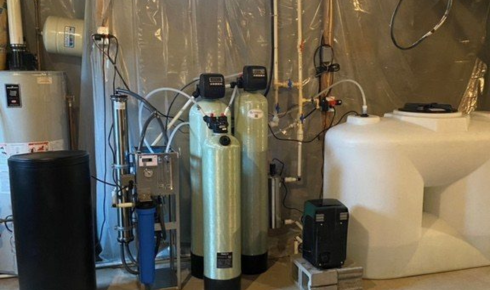
After installing a residential water softener, the difference became obvious almost immediately. The coffee machines stopped failing, the showers felt better, and even the laundry changed noticeably.
Funny how one hidden issue can affect so many parts of the house at once.
Water Quietly Shapes Everyday Comfort
People tend to think about water mainly in terms of drinking, but it reaches far beyond the kitchen sink.
Water touches nearly everything inside a home. Showers. Laundry. Dishwashers. Cooking. Cleaning. Even the lifespan of appliances depends heavily on the condition of the water running through them every day.
That’s why improving a home’s water system often creates benefits homeowners weren’t even expecting.
Showers become more comfortable. Soap lathers properly again. Cleaning products work better. Towels soften up. Faucets stay cleaner longer without constant scrubbing.
None of these things sound life-changing individually, but together they shape the overall feeling of comfort inside a home.
And honestly, comfort matters more than people sometimes admit.
Most Homeowners Adapt to Water Problems Slowly
One reason water issues go unnoticed for so long is because they develop gradually.
Nobody wakes up one morning and suddenly has severe mineral buildup everywhere overnight. It happens little by little. A faint white ring around the faucet. Slightly lower water pressure. A dishwasher that starts underperforming after a few years.
Humans adapt quickly to slow changes. We normalize inconveniences surprisingly fast.
I remember visiting relatives who had recently upgraded their water treatment setup after years of dealing with hard well water. The first thing they mentioned wasn’t technical at all. They simply said, “The house feels easier to clean now.”
That stuck with me because it perfectly described the effect. Better water quietly removes friction from everyday routines.
There’s No Universal Solution for Every Home
One mistake homeowners sometimes make is assuming every water issue requires the same fix.
But water conditions vary enormously depending on location, plumbing, and source. A suburban home connected to municipal water faces different challenges than a rural property using a private well. Some homes struggle mostly with minerals, while others notice chlorine taste, sediment, or sulfur odors.
That’s why smart water solutions begin with understanding the actual problem first.
Testing matters.
Without testing, homeowners often waste money guessing. They buy oversized systems they don’t really need or focus on the wrong issue entirely. Good professionals usually spend more time asking questions and analyzing water than aggressively selling equipment immediately.
And honestly, that approach tends to lead to far better long-term results.
Better Water Helps More Than Appliances
People often focus on plumbing and appliance protection when discussing water treatment, and yes, those benefits are real. Hard water can absolutely shorten the lifespan of water heaters, dishwashers, and washing machines over time.
But the personal comfort side matters too.
Skin feels different. Hair behaves differently. Clothes feel softer. Cooking becomes more enjoyable because flavors aren’t competing with strange mineral or chemical tastes from the tap water.
Even guests notice sometimes.
I once stayed at a home where the water felt unusually smooth in the shower, though I couldn’t explain why immediately. Later the homeowner casually mentioned they’d upgraded their softening and filtration system the previous year. Apparently every visitor commented on it eventually.
Sometimes better water is noticeable in ways people can’t quite put into words.
The Best Home Improvements Aren’t Always Flashy
There’s something interesting about water upgrades: they rarely look impressive on social media.
Nobody posts glamorous before-and-after photos of softened laundry water or improved mineral balance. Yet homeowners who invest in better water often describe it as one of the most satisfying improvements they’ve made.
Probably because the benefits show up every single day.
Good water quietly supports comfort in the background. It makes ordinary routines feel easier. Showers become more relaxing. Cleaning takes less effort. Appliances work more efficiently. The house simply feels more pleasant to live in overall.
And really, that’s what most people want from a home in the first place.
At the end of the day, some of the best upgrades aren’t the loudest or most dramatic. Sometimes they’re the invisible improvements working behind the scenes — the ones you stop noticing precisely because life becomes smoother once they’re there.
