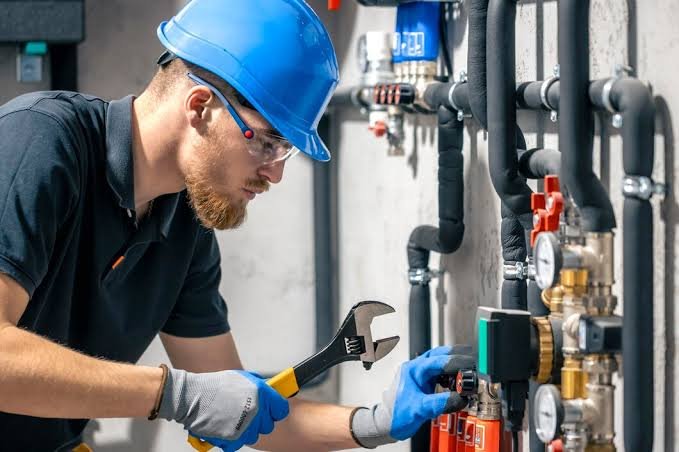
Plumbing is one of those things people rarely think about when it’s working properly. Water comes out when you turn on the faucet, drains carry everything away, toilets flush, and the day moves along without much fuss.
Then something goes wrong.
A pipe starts leaking under the kitchen sink. A toilet backs up at the worst possible moment. Water pressure suddenly drops, or an entire restroom in a business becomes unusable. That’s when plumbing quickly moves from being invisible to becoming the number-one problem of the day.
The reality is that plumbing supports almost every part of daily life. At home, it keeps kitchens, bathrooms, laundry areas, and outdoor spaces functioning. In businesses, it can affect employees, customers, operations, and sometimes the ability to stay open at all.
Although the basic idea may be the same, the plumbing needs of a family home and a commercial property can be very different.
Homes Have Their Own Plumbing Challenges
Every household depends on a reliable supply of clean water and a drainage system that works without constant trouble. Residential plumbing covers a wide range of everyday needs, from repairing leaking faucets and clogged drains to replacing fixtures and addressing more serious pipe problems.
The challenge is that many plumbing issues start small.
A slow drip might not seem important. A drain that takes an extra minute to empty can feel more annoying than serious. But over time, those little problems may grow into larger ones. Water can damage cabinets, flooring, walls, and other parts of the home, while recurring drainage issues may point to a deeper blockage.
Older homes can bring additional complications. Pipes and fittings naturally wear over time, and materials used decades ago may not perform the same way they once did. Even newer homes aren’t immune. Poor installation, unexpected blockages, or damaged connections can cause trouble at any age.
The best habit is simply paying attention. You don’t need to inspect every pipe in the house every weekend. But when something changes—water pressure drops, a drain repeatedly clogs, or a strange smell appears—it’s worth finding out why.
Small Leaks Can Create Bigger Problems
A leaking faucet is easy to postpone. You hear the occasional drip and think, “I’ll deal with that later.”
Then later becomes next month.
Visible leaks are annoying, but hidden leaks can be even more concerning. Water escaping behind walls or beneath floors may continue unnoticed for a long time. Eventually, homeowners might see peeling paint, damp spots, warped materials, or a musty odor.
By that stage, the original problem may have caused more damage than expected.
Checking beneath sinks, around toilets, and near visible plumbing connections every so often can help catch obvious issues early. If a water bill suddenly increases without a clear reason, that may also be worth investigating.
Plumbing problems don’t always announce themselves loudly. Sometimes they whisper for months.
Businesses Face a Different Level of Pressure
A plumbing problem at home is frustrating. A plumbing problem at a busy business can be disruptive on an entirely different scale.
Commercial plumbing may involve larger buildings, multiple restrooms, employee areas, kitchens, equipment connections, and plumbing systems that experience heavy use throughout the day.
Think about a restaurant with a major drainage problem during its busiest hours. Or an office building where several restrooms become unusable. A hotel, retail store, school, warehouse, or healthcare facility may all have unique plumbing demands.
When something fails, the issue can affect far more than convenience. Employees may be unable to work comfortably, customers may have a poor experience, and business operations could be interrupted.
For that reason, preventative maintenance can be especially valuable in commercial settings. Identifying a developing problem before it causes a major shutdown is usually much easier than dealing with an emergency while customers are standing nearby.
Drain Problems Shouldn’t Always Be Treated as Simple Clogs
A clogged sink happens. It’s part of life.
But when the same drain keeps clogging, or several drains start behaving strangely at once, there may be a bigger problem hiding somewhere in the system.
Grease, food particles, hair, soap residue, and other debris can build up over time. In commercial kitchens or heavily used facilities, drainage systems may face even greater demands.
Repeated gurgling sounds, unpleasant odors, slow drainage, or water backing up where it shouldn’t be are all signs worth investigating.
Temporary fixes can sometimes provide short-term relief, but they don’t always address the reason the problem keeps returning. Finding the underlying cause can save a lot of frustration—and possibly prevent a more serious backup later.
Sometimes the plumbing is telling you that the quick fix isn’t enough anymore.
Why Experience and Qualifications Matter
There are small plumbing jobs that a handy property owner may be comfortable handling. Replacing a showerhead or tightening an accessible connection, for example, may not require a major project.
But plumbing can become complicated quickly.
Hidden pipes, main water lines, sewer connections, major leaks, and commercial systems may require specialized knowledge and equipment. Working with licensed plumbers can provide greater confidence that the problem is being properly assessed and repaired according to applicable requirements.
A good professional should also be able to explain the problem clearly.
You shouldn’t need to understand every technical detail, but you should know what caused the issue, what repair is being recommended, and whether other options are available. Clear communication can make a stressful situation much easier to manage.
It’s reasonable to ask questions before agreeing to significant work. In fact, you probably should.
Maintenance Is Less Exciting Than an Emergency
Nobody gets excited about scheduling plumbing maintenance. It doesn’t exactly have the appeal of planning a vacation or buying something new for the house.
But routine attention can help prevent unpleasant surprises.
At home, this might involve checking for leaks, watching what goes down the drains, and paying attention to changes in water pressure. Businesses may benefit from more structured maintenance, especially when plumbing systems experience heavy daily use.
Keeping drains clear, inspecting equipment, monitoring water use, and addressing minor issues early can all contribute to a more reliable system.
Maintenance doesn’t guarantee that nothing will ever break. Pipes age, equipment wears out, and unexpected problems happen. That’s just reality.
Still, discovering a small issue during a planned inspection is generally much easier than discovering it when water is spreading across the floor.
Knowing When a Problem Is an Emergency
Not every plumbing issue requires immediate action.
A slowly dripping faucet can usually wait for a scheduled repair. A sink that drains a little slowly may not require a middle-of-the-night phone call.
A burst pipe, major leak, sewage backup, or rapidly spreading water is different.
Every property owner should know where the main water shutoff valve is located. In a serious leak, shutting off the water supply—when it is safe to do so—can help limit damage while professional assistance is arranged.
Electrical safety should always be considered around significant water leaks. Avoid entering flooded areas if electrical equipment or outlets may be affected.
A calm response and a little preparation can make an enormous difference.
Reliable Plumbing Starts With Paying Attention
Whether it’s a family home or a large commercial property, reliable plumbing depends on more than simply fixing things after they break.
Pay attention to changes. Deal with recurring problems instead of endlessly applying temporary fixes. Keep an eye on leaks, drainage, and water pressure. And when a problem is beyond a simple repair, get help from someone qualified to handle it.
The goal isn’t to worry about every noise coming from a pipe behind the wall. It’s simply to recognize when something is different.
Good plumbing should stay mostly invisible. Water should flow, drains should work, and nobody should have to think twice before turning on a faucet or flushing a toilet.
And perhaps that’s the best sign of a reliable system: it quietly does its job every day, leaving you free to think about almost anything else.
