Start by Understanding Your Home’s Water
Water is one of those things we use constantly without giving it much thought. It runs through the kitchen faucet, fills the washing machine, powers the dishwasher, and comes out of the shower every morning. Most days, nobody thinks twice about it.
Then the spots appear.
Maybe there’s white buildup around the faucet. Perhaps your shower glass looks cloudy no matter how often you clean it. Clothes may feel a little rough after washing, or your drinking water may have an odd taste. These aren’t necessarily signs of a serious problem, but they can be good reasons to take a closer look at your home’s water quality.
The right treatment system can make a noticeable difference, but choosing one starts with understanding what your water actually needs.
Why Whole-Home Filtration Can Make Sense
Many homeowners focus only on the water they drink. That’s understandable, but water is used throughout the entire house.
Bathing, washing dishes, doing laundry, and cleaning all involve water. If the concern affects the home’s water supply generally, treating only the kitchen faucet may not be enough.
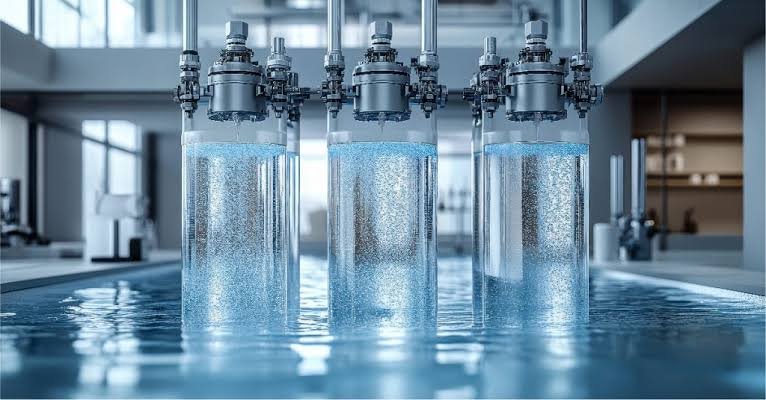
A whole-house filtration system can provide treated water throughout the property, depending on the system’s design and what it is intended to remove. This approach can be useful for households concerned about sediment, certain tastes and odors, chlorine, or other water-quality characteristics.
The key is choosing the right filter for the specific concern. Not every whole-home system removes the same things, and a bigger filter isn’t automatically a better filter.
Testing Should Come Before Equipment
It can be tempting to shop for a water treatment system first and figure out the details later. But that’s a little like buying medicine without knowing what you’re treating.
Water testing gives homeowners a clearer picture of what is actually present. Depending on the test, it may provide information about hardness, pH, chlorine, iron, sediment, dissolved substances, and other characteristics.
A free water testing offer can be a convenient starting point for homeowners who want to understand their water before making a decision. However, it’s important to ask what the test measures and whether additional laboratory analysis is recommended for specific concerns.
Good treatment decisions are based on information, not guesswork.
Hard Water Is a Common Household Frustration
Hard water is one of the most common reasons people consider water treatment. It contains minerals such as calcium and magnesium, which can leave scale behind.
You may notice deposits around faucets, spots on dishes, or a crusty layer inside appliances that use hot water. Soap and shampoo may also seem harder to rinse away.
A water softener can help address hardness by reducing the minerals responsible for these effects. For households with significant hard-water problems, softening can improve everyday comfort and help reduce mineral scale inside plumbing and appliances.
Still, softening and filtration are different processes. A softener isn’t designed to solve every possible water-quality issue, which is why testing matters.
Managing Salt Without the Hassle
Traditional water softeners commonly use salt as part of their regeneration process. That means homeowners need to keep an eye on the salt level and replenish it when necessary.
For busy families, remembering to check a softener can easily slip down the list of household chores.
A salt delivery service can make this part of water-softener ownership more convenient by helping maintain an adequate supply. Instead of discovering an empty brine tank at the worst possible time, homeowners can have a more organized approach to keeping the system supplied.
It’s a small convenience, but anyone who’s ever forgotten an important household chore knows how useful those small conveniences can be.
Choosing Between Whole-Home and Point-of-Use Treatment
Not every water concern requires treatment throughout the entire house.
Some homeowners primarily want better drinking and cooking water. In that situation, an under-sink reverse osmosis system or another point-of-use filter may be enough.
Others want to address water quality across bathrooms, laundry areas, kitchens, and appliances. Whole-home treatment may make more sense in those cases.
The decision should be based on the problem rather than the marketing label on the equipment.
There’s no prize for owning the biggest filtration system. The best system is the one that does what your household actually needs.
Think About Daily Water Usage
Household size matters when selecting treatment equipment.
A system designed for a small apartment may not be suitable for a large family with several bathrooms and heavy daily water usage. Flow rate, peak demand, plumbing size, and available installation space all need consideration.
Think about those busy mornings when everyone is getting ready at once. Someone is showering, another person is washing dishes, and the washing machine has just started. Your water treatment system needs to handle real-life usage, not just ideal conditions on paper.
Proper sizing can help maintain consistent performance without unnecessarily increasing equipment costs.
Maintenance Is Part of the Process
Water treatment equipment doesn’t simply disappear after installation. Filters need changing, softeners require attention, and other components may need periodic inspection.
Homeowners should understand the maintenance schedule before buying a system. Ask how frequently filters need replacement and how much those replacements typically cost.
It is also useful to know whether basic maintenance can be handled at home or whether professional service is recommended.
Ignoring maintenance can reduce system performance and, in some cases, create new water-quality concerns. A calendar reminder or simple maintenance checklist can go a long way.
Consider the Cost Over Time
The initial price of a water treatment system is only one part of the investment.
Look at installation costs, replacement filters, salt or other consumables, service fees, water usage, and expected equipment lifespan. A system that seems inexpensive at first may become costly if replacement components are frequent or difficult to obtain.
On the other hand, paying more isn’t automatically smarter.
Look for a balance between performance, reliability, maintenance, and long-term affordability. That’s where real value usually sits.
Professional Installation Can Prevent Problems
Even a quality treatment system can perform poorly when it’s improperly installed.
Water pressure, plumbing connections, drainage, flow rates, and system configuration all matter. Professional installation can help ensure the equipment is correctly integrated into the home’s plumbing.
It also gives homeowners a chance to learn how everything works. A good installer should explain basic operation, maintenance requirements, filter replacement, and what to do if the system begins behaving unusually.
A few clear instructions at installation can prevent plenty of confusion later.
Make Water Treatment Work for Your Home
There isn’t a single water treatment solution that’s perfect for every household. Water conditions differ, families have different needs, and budgets vary.
The sensible approach is fairly simple: test the water, identify the actual concerns, compare suitable technologies, and think about long-term maintenance before making a purchase.
Whether you need whole-home filtration, water softening, drinking-water treatment, or a combination of approaches, the goal remains the same—better water without unnecessary complexity.
When the right system is properly installed and maintained, you may notice fewer mineral deposits, cleaner fixtures, better-tasting drinking water, and less frustration with everyday chores.
And perhaps that’s the nicest thing about good water treatment. It doesn’t need to become the center of your household. It simply works quietly in the background, making ordinary water-related tasks a little easier every day.
