Clean water is something most of us take for granted. We turn on the kitchen tap to fill a glass, wash vegetables, or make a cup of tea without giving much thought to what happens inside the pipes. Yet a plumbing system depends on more than good water pressure and well-maintained fixtures. It also needs protection against a problem that can quietly compromise water quality: backflow.
Backflow occurs when water moves in the wrong direction through a plumbing system, potentially carrying contaminants into pipes that should contain clean water. It doesn’t always produce an obvious warning. There may be no strange smell, unusual colour, or sudden change in taste. That’s why prevention, inspection, and routine testing deserve a place on every property owner’s maintenance list.
Understanding How Backflow Happens
Under normal conditions, water travels through pipes in a controlled direction, from the supply network towards taps and other outlets. Backflow happens when that direction reverses or when pressure differences allow water to enter the system from an unwanted source.
There are two common causes. The first is backpressure, which occurs when pressure in a connected system becomes greater than the pressure in the incoming supply. This can happen in certain commercial installations, irrigation systems, or properties using pumps and pressurised equipment.
The second is backsiphonage. Imagine a water main breaks nearby or firefighters draw large amounts of water from the local network. The pressure in the supply may drop suddenly, creating a suction effect that pulls water backwards through connected plumbing. If a hose is sitting in a bucket of cleaning solution, fertiliser, or dirty water, that fluid could potentially be drawn into the pipework.
It sounds unlikely until you consider how many everyday activities involve hoses, tanks, chemicals, and other connections. A little prevention can make a substantial difference.
Why Backflow Prevention Devices Matter
A plumbing system may contain several points where clean water could come into contact with potentially contaminated liquid. Garden irrigation, swimming pools, commercial kitchens, heating equipment, and certain industrial processes are examples where the risk needs careful consideration.
Properly selected backflow devices help prevent unwanted reverse flow and reduce the chance of contaminants entering drinking water pipes. Depending on the application and the level of risk, a property may require a particular type of protection, such as a check valve, a pressure vacuum breaker, or a reduced-pressure assembly.
These devices aren’t interchangeable in every situation. A simple arrangement suitable for one garden connection may not provide enough protection for a more complex installation. Local plumbing codes, the nature of the connected equipment, and the potential contaminants all influence the right choice.
Installation matters just as much as selection. A device fitted incorrectly, placed where it cannot be serviced, or exposed to conditions it wasn’t designed for may fail to offer the expected protection. Professional advice helps ensure the equipment suits the application rather than merely ticking a box.
Small Plumbing Habits Can Reduce Risk
Backflow prevention doesn’t begin and end with specialist equipment. Everyday habits also matter, especially around outdoor taps and household cleaning areas.
For example, avoid leaving a garden hose submerged in a bucket, pond, or swimming pool. Where appropriate, use a suitable hose connection vacuum breaker or other approved protection. Keep chemical containers and fertilisers away from drinking-water outlets, and never assume that a closed tap alone provides reliable backflow protection.
Property owners should also pay attention to changes made to their plumbing. Adding an irrigation system, installing a water tank, or connecting new equipment can introduce risks that weren’t present before. If the plumbing layout changes, ask a qualified professional whether the existing protection remains suitable.
These steps are simple, but they help prevent problems that could otherwise be expensive and difficult to trace.
Protecting the Water Supply Takes Ongoing Attention
The water supply is part of a much larger network, and the safety of that network depends on many individual connections working as intended. A backflow issue at one property can create a risk beyond the building itself, which is why water authorities and plumbing regulations often set specific requirements for higher-risk installations.
Routine maintenance helps keep protection reliable. Components can wear out, seals can deteriorate, and debris or mineral deposits can affect how a device operates. Outdoor installations may also be exposed to weather, accidental damage, or freezing conditions in colder climates.
The appropriate inspection schedule depends on the device, its application, and local requirements. Some installations require formal testing at specified intervals, while others may need inspection as part of broader plumbing maintenance. Property owners should check the rules that apply in their area rather than relying on a universal timetable.
It’s also worth keeping records of installations, repairs, and inspections. When several contractors work on a property over the years, clear documentation makes it easier to understand what equipment is fitted and when it was last serviced.
What Happens During a Backflow Test?
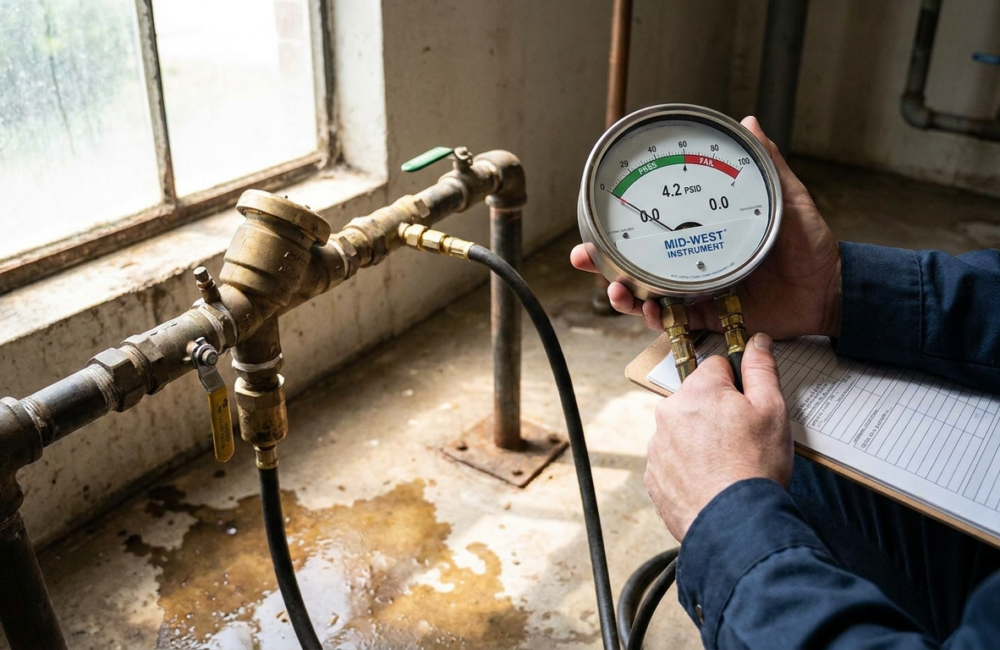
A backflow test is more than a quick visual check. A qualified tester uses appropriate equipment and a recognised procedure to assess whether the device’s internal components are performing within the required limits.
Depending on the assembly, the process may involve checking pressure differences, observing valve performance, and confirming that the device responds correctly under test conditions. If the results indicate a problem, the tester can explain whether adjustment, servicing, or replacement is necessary.
After the work, the property owner may receive a test report documenting the device details, test results, and any corrective action required. This record can be important for demonstrating compliance with applicable rules and planning future maintenance.
Don’t ignore a failed result or assume that a device is safe simply because it looks intact. Ask the tester to explain the findings in plain language, clarify any required repairs, and confirm whether a follow-up test is needed. A little explanation now is better than uncertainty later.
Choosing the Right Professional
When arranging backflow testing or installation, look for a qualified professional who is authorised to carry out the relevant work in your location. Requirements differ by jurisdiction, so check the credentials recognised by your local water authority or plumbing regulator.
Ask whether the service includes a written record, what happens if the device fails, and whether any repairs require separate approval. Clear answers make it easier to compare providers and avoid unexpected costs.
Be cautious of anyone who recommends replacing every device without explaining the reason. Sometimes a repair is appropriate; in other cases, replacement is the sensible option because of age, damage, or compliance requirements. The recommendation should reflect the actual condition of the equipment.
A Small Maintenance Task With Lasting Value
Backflow prevention may not be the most visible part of home maintenance, but its purpose is fundamental. It helps protect drinking water from unwanted contamination and supports the safety of the wider plumbing network.
Homeowners can make a difference by using hoses carefully, checking plumbing changes, arranging required inspections, and keeping accurate service records. For properties with more complex systems, professional guidance is especially valuable.
Ultimately, clean water should never depend on luck. A suitable prevention device, correctly installed and properly tested, offers practical protection and peace of mind. It’s a modest investment of time and attention, but one that helps keep an essential part of everyday life safe and dependable.
