Water is part of nearly everything we do at home. We drink it, cook with it, wash clothes in it, and rely on it for showers, cleaning, and countless everyday tasks. Yet many people rarely think about their water until something seems wrong. Maybe the kettle develops a thick layer of scale, the laundry feels rough after washing, or the drinking water has an unusual taste. Sometimes the signs are obvious. Other times, water quality issues remain unnoticed for years.
The good news is that improving household water doesn’t have to begin with an expensive system or a complicated technical process. It starts with understanding the water you already have, identifying what needs attention, and choosing a practical solution that fits your household.
Why Water Quality Deserves More Attention
Water can look perfectly clear and still contain dissolved minerals, unwanted chemicals, or microorganisms. Its quality depends partly on the original source, the surrounding environment, and the treatment it receives before reaching your tap. Even homes in the same neighborhood can experience differences because plumbing materials, storage tanks, and private wells may affect the final supply.
Hard water is a common example. It contains elevated levels of minerals such as calcium and magnesium. These minerals aren’t usually a health concern at typical concentrations, but they can leave deposits on faucets, shower screens, and heating elements. Over time, the buildup may reduce the efficiency of appliances and create extra cleaning work.
Other concerns require a different approach. Iron can cause reddish-brown stains, while certain contaminants may affect taste or safety without producing any visible warning. That’s why guessing based on appearance alone isn’t a reliable way to assess water quality.
Finding a Solution That Works Throughout the House
When several taps, showers, and appliances experience similar problems, it may be worth considering whole home water treatment. Instead of treating water at just one location, these systems are designed to address selected water quality concerns as water enters the property’s plumbing.
The right setup depends on what testing reveals. A household dealing mainly with hard water might benefit from a softener, while another property may need filtration to reduce specific unwanted substances. Some homes require a combination of treatment methods rather than one all-purpose device.
It’s important to remember that no single system removes every possible contaminant. A carbon filter, for instance, can improve certain taste and odor problems, but it isn’t a universal solution for microorganisms or dissolved minerals. A water softener targets hardness rather than acting as a complete drinking-water purifier.
Before purchasing equipment, consider how many people live in the home, how much water they use, and whether the main concern involves drinking, bathing, laundry, or the entire plumbing system. These practical details can make a significant difference to the final choice.
Private Wells Need a More Individual Approach
Homes that depend on private wells have different responsibilities from properties connected to a regulated public water supply. Well water quality can change with rainfall, seasonal groundwater movement, nearby agricultural activity, or problems affecting the well itself. A supply that tasted fine last summer may need attention after a major storm or flooding event.
Effective well water treatment begins with a proper water test. The results help determine whether the water contains excessive hardness, iron, manganese, nitrates, bacteria, or other substances that need investigation. The exact testing requirements depend on the location and local environmental risks, so it’s wise to consult a qualified laboratory or water professional.
Treatment should follow the results, not assumptions. Iron and manganese may require specialized filtration, while hardness may call for a water softener. If testing identifies a microbial concern, disinfection may be necessary alongside an investigation into the well’s construction, sanitary protection, and surrounding drainage.
Maintenance is just as important as installation. Well owners should arrange testing at recommended intervals and repeat it after events such as flooding, repairs, or noticeable changes in water quality. Keeping records of results makes it easier to spot patterns and decide when further action is needed.
When Ultraviolet Disinfection Makes Sense
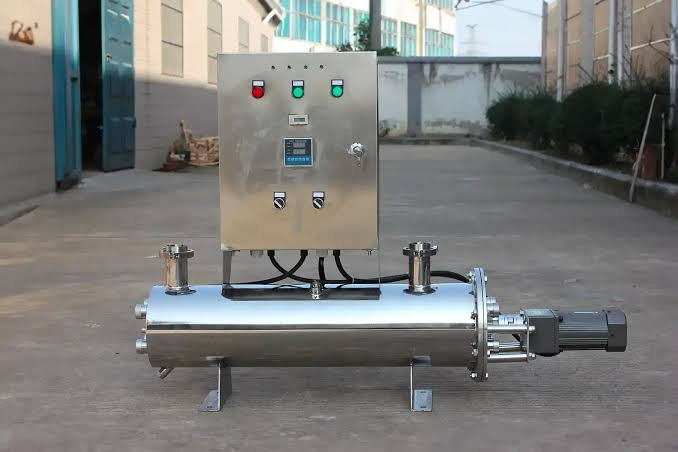
Microorganisms deserve particular attention because harmful bacteria, viruses, and other pathogens aren’t always visible in drinking water. Where testing identifies a microbial risk, or a qualified assessment indicates that disinfection is appropriate, ultraviolet technology can be one useful option.
UV water disinfection works by exposing water to ultraviolet light at a wavelength that disrupts the genetic material of susceptible microorganisms, preventing them from reproducing effectively. Unlike chemical disinfection methods, UV treatment doesn’t normally add disinfectant chemicals to the water or noticeably change its taste.
However, there are a few details worth understanding before installing a UV unit. The water generally needs to be clear enough for the light to reach microorganisms effectively. Excessive sediment or cloudiness can interfere with performance, so prefiltration may be necessary. The system must also be correctly sized for the household’s water flow, and the lamp and other components need regular maintenance according to the manufacturer’s instructions.
UV systems do not remove dissolved chemicals, heavy metals, salts, or hardness minerals. They also don’t provide a lasting disinfectant residual throughout the plumbing. For that reason, ultraviolet treatment should be selected as part of a broader water safety plan, not as a replacement for testing or every other form of treatment.
Don’t Overlook Installation and Ongoing Care
Even good equipment can disappoint if it’s installed incorrectly or neglected after purchase. Filter cartridges become less effective as they accumulate contaminants, softeners may need salt and periodic servicing, and UV lamps have a defined service life. Following the manufacturer’s maintenance schedule helps keep the system working as intended.
It’s also sensible to ask a provider what ongoing costs to expect. The purchase price is only part of the picture. Replacement filters, electricity, consumables, servicing, and eventual equipment replacement should all be considered before making a decision.
A trustworthy installer should explain what the system is designed to address, what it cannot remove, and how its performance will be checked. Be cautious of broad promises that one machine can solve every water problem. Clear test results and specific treatment goals are much more useful than dramatic sales claims.
Small Improvements Can Make Everyday Life Easier
Better water quality isn’t always about achieving a perfect number on a test report. Sometimes it’s about reducing stubborn mineral deposits, improving drinking water’s taste, or making sure a private well receives appropriate protection. The best results come from matching the solution to the actual problem instead of buying equipment simply because it’s popular.
Start by observing changes in your water, reviewing any available water quality reports, and arranging testing when needed. Then compare treatment options with a clear understanding of their benefits, limitations, and maintenance requirements.
Water is easy to take for granted because it is always there when we turn on the tap. But paying a little more attention to its quality can help protect household equipment, reduce everyday frustration, and support safer water use. A thoughtful decision today can make a real difference to how confidently you use your water tomorrow.
